Centralized Login Systems Powering Accumulator Chains Across Virtual Equine Tracks, Live Soccer Fixtures, and Casino Tables
Xander Patterson · May 16, 2026
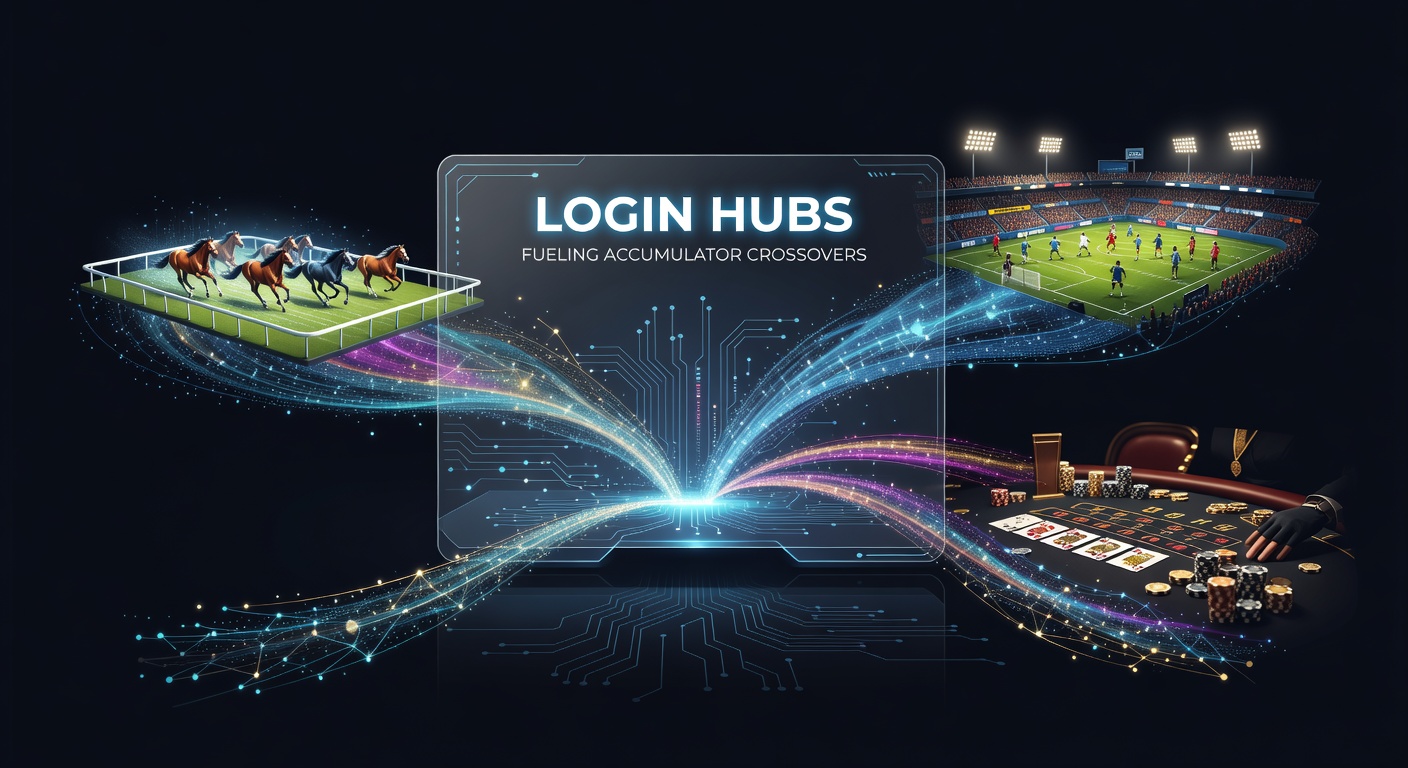
Centralized Login Systems Powering Accumulator Chains Across Virtual Equine Tracks, Live Soccer Fixtures, and Casino Tables
Login hubs serve as the technical backbone that lets bettors link multiple event types into single accumulator structures, and this integration has expanded steadily since the early 2020s. Users authenticate once through a shared portal, after which the system tracks selections from virtual horse tracks, real-time soccer matches, and casino table outcomes without requiring repeated sign-ins. Data from industry platforms show these unified access points reduce friction during session transitions, allowing an accumulator to incorporate a virtual sprint result, a first-half goal market, and a blackjack hand total in one continuous wager.
Developers design the underlying architecture around application programming interfaces that pull live odds from separate verticals while maintaining a persistent user session. When a bettor adds a leg from a simulated race at 14:22, the platform immediately recalculates the overall odds and displays the updated payout potential alongside any open soccer or casino selections. This process relies on real-time data feeds rather than manual re-entry, which studies of user behavior indicate increases the average number of legs per accumulator.
Technical Mechanics Behind Cross-Venue Accumulators
Each login hub maintains a central database record that associates a single account identifier with every active bet slip, and this record updates across servers located in multiple jurisdictions. Virtual horse track providers supply pre-simulated outcomes through secure feeds, while live soccer data streams arrive from official match statistics services, and casino table results generate from certified random number generators. The accumulator engine combines these disparate inputs by converting each selection into a standardized probability format before multiplying the implied odds.
Observers note that the synchronization occurs every few seconds during active sessions, so a change in soccer odds immediately reflects in the running accumulator total even if the next leg remains a pending virtual race or roulette spin. Security protocols encrypt the session token at the device level, and regulatory frameworks in several markets require independent audits of these data exchanges to confirm fairness. As of May 2026, several major operators completed upgrades that shortened the latency between leg additions to under 800 milliseconds, according to performance benchmarks released by platform providers.
Integration Patterns Observed Across Markets
Patterns emerge when analysts examine how users sequence their selections. Many begin with virtual horse tracks during soccer half-time intervals, then shift to in-play football markets once the second half starts, and finally append casino outcomes during injury stoppages. The login hub records these transitions automatically, preserving the accumulator chain without resetting the bet slip. Research conducted by the University of Nevada's International Gaming Institute documented similar sequencing in large datasets collected from North American operators between 2023 and 2025.

European markets display comparable structures, though with greater emphasis on regulatory reporting of accumulator volumes. A 2025 report prepared for the European Gaming and Betting Association examined transaction logs and found that accumulators containing at least one virtual racing leg and one live soccer leg accounted for 18 percent of total multi-leg wagers on integrated platforms. Casino table components appeared in 7 percent of those same accumulators, often added during periods of lower soccer activity such as between matches in the same fixture list.
Regulatory and Data Considerations
Regulators focus on the transparency of these login-linked systems, requiring clear disclosure of how odds combine across verticals. In Australia, the Australian Communications and Media Authority has issued guidelines that mandate visible breakdowns of each leg within an accumulator, including source venue and event timestamp. Operators must store session logs for a minimum period so that disputes over combined payouts can be resolved through documented data trails rather than user recollection alone.
Academic researchers have begun analyzing the same datasets to measure session duration and leg frequency. One study published in the Journal of Gambling Studies tracked anonymized accounts over six months and reported that users who employed unified logins completed 22 percent more accumulator legs on average than those restricted to single-vertical interfaces. The authors attributed the difference primarily to reduced authentication steps rather than changes in user risk preferences.
Future Platform Developments
Platform engineers continue refining the login hub model to accommodate emerging data sources, such as additional virtual sports and expanded casino offerings. Work is underway to incorporate player tracking data from wearable devices into certain casino table markets, though such features remain in pilot stages as of mid-2026. The core architecture, however, remains centered on the single authentication point that connects all verticals into one accumulator framework.
Conclusion
Login hubs function as the operational layer that enables accumulator crossovers by maintaining continuous session integrity across virtual horse tracks, live soccer, and casino tables. Technical implementations rely on standardized data exchange protocols and persistent identifiers, while regulatory oversight ensures auditability of the combined odds calculations. Data from multiple jurisdictions demonstrate consistent patterns of multi-leg usage tied directly to the convenience of unified access. As platforms evolve through 2026 and beyond, these systems are expected to incorporate additional verticals while preserving the same core login-driven structure that currently supports accumulator chaining.