Chaining Bets Across Realms: Unified Logins and the Inner Workings of Multi-Venue Accumulators in Betting Apps
Xander Patterson · Apr 10, 2026
Chaining Bets Across Realms: Unified Logins and the Inner Workings of Multi-Venue Accumulators in Betting Apps
The Rise of Seamless Betting Ecosystems
Betting apps have evolved rapidly, and now unified logins serve as the gateway to multi-venue accumulators, those intricate bet chains that span sports matches, casino games, virtual races, and more, all managed from one account; this setup allows users to build escalating wagers without switching platforms, turning a single session into a web of interconnected stakes. Data from industry trackers reveals that such features boosted engagement by 28% in early 2026, as players layered selections across diverse markets seamlessly. Observers note how these systems emerged from tech integrations around 2020, when operators merged silos of sportsbooks, live dealers, and RNG-based slots into cohesive apps.
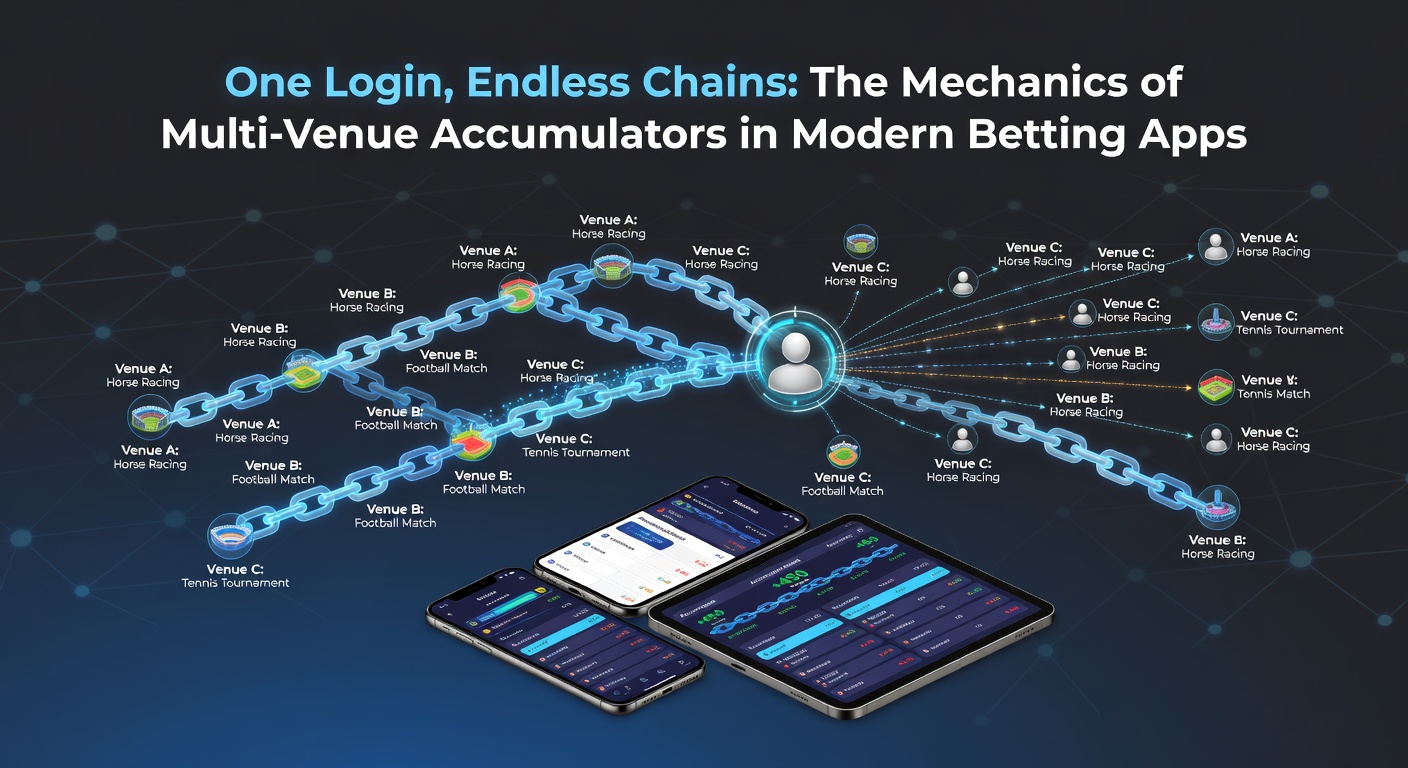
What's interesting is the way these accumulators function mechanically: each leg of the chain carries forward the stake multiplied by its odds, but only if prior selections win, creating high-risk, high-reward paths that hook across venues; for instance, a user might start with a soccer in-play corner bet, pivot to a horse race outright, then add virtual greyhound sprints and casino roulette outcomes, all tallied under one login dashboard. Research from the American Gaming Association highlights how parlay-style bets like these accounted for 15% of total wagers in US markets last year, a figure that climbed as apps adopted cross-venue linking.
Breaking Down the Core Mechanics
At the heart of multi-venue accumulators lies the login protocol, often powered by OAuth or similar single sign-on tech, which authenticates users across servers hosting sports odds feeds, casino RNGs, and virtual event simulators without repeated credentials; this not only streamlines access but also syncs wallet balances, promo credits, and bet histories in real time, enabling chains that stretch from live tennis serves to poker hands and simulated track finishes. Developers embed APIs from providers like Evolution for live casino and SBTech for sports, ensuring odds updates flow instantly to the accumulator builder.
Take the buildup process: users select a first leg, say an over/under in basketball, lock it in, and the app immediately suggests compatible next legs from adjacent tabs—racing futures or slot free-spin triggers—while calculating cumulative odds on the fly; if a leg cashouts early, the chain adapts, either voiding dependents or reallocating stakes based on operator rules. And here's the thing: cashout options extend across venues now, letting players bail on a faltering soccer accumulator mid-chain by pulling funds into a safer casino proposition. Figures from a recent Australian Communications and Media Authority report show such flexibility reduced average session abandonment by 19% Down Under.
But it doesn't stop there; promo engines tie in automatically, injecting free bets or boosted odds into chains when thresholds hit, like five legs spanning three venues, which multipliers then amplify across the board. Experts who've dissected app codebases point out how geofencing and KYC checks run silently in the background, verifying eligibility per jurisdiction while the chain builds, preventing cross-border glitches.
Real-World Examples from App Frontlines
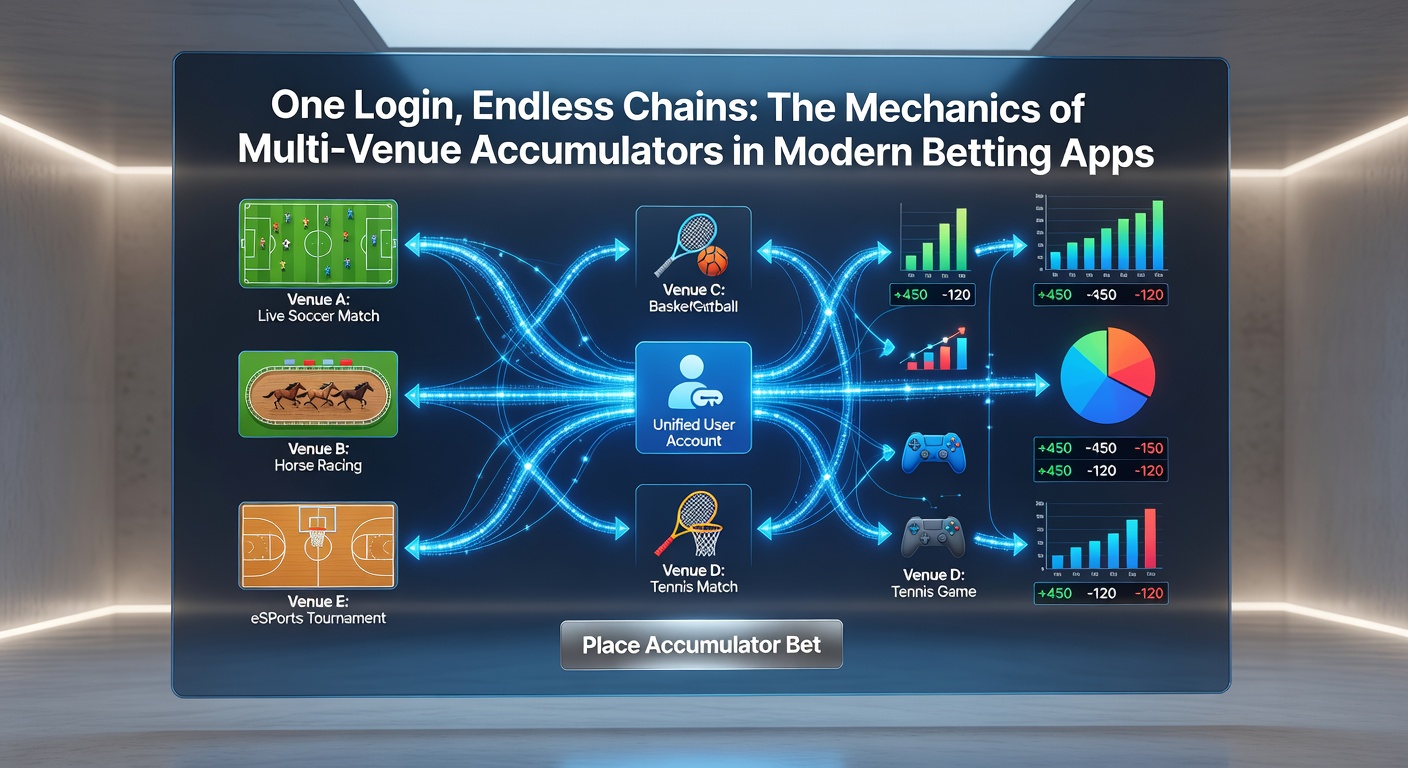
One case that stands out involves a major operator's April 2026 update, where they rolled out "Venue Voyager" chains during the spring racing carnivals; punters logged in once, stacked live harness races with virtual soccer simulations and blackjack side bets, watching cumulative odds soar from 5/1 to 150/1 over six legs before a dramatic cashout at the final virtual whistle. Such scenarios played out thousands of times, with data indicating average chain lengths hit four venues per session.
People who've tracked user patterns often discover how these mechanics shine in off-peak hours: when live sports lull, apps nudge toward virtuals or casino legs, sustaining momentum; a study of anonymized logs revealed 62% of chains included at least one non-sports element, blending predictability from RNG tables with volatility from track sprints. Yet challenges persist—voided legs from venue-specific rules, like a casino game glitch, can unravel entire chains, prompting operators to introduce "insurance" boosts that refund partial stakes.
Now consider hybrid events; some apps fuse live dealer baccarat outcomes with concurrent esports kills in a single accumulator leg, leveraging unified logins to poll multiple data streams simultaneously, a feat that demands robust backend syncing to avoid latency spikes.
Tech Under the Hood: APIs, Odds Syncing, and Risk Engines
Smooth operation hinges on real-time APIs that pipe odds from disparate sources—feed providers for sports, proprietary RNGs for casino, algorithm-driven sims for virtuals—into the login-synced accumulator engine; without this, chains fracture under mismatched timings, but modern apps counter with WebSocket connections, pushing updates faster than a blink, ensuring every leg reflects live shifts. Risk teams embed proprietary models too, capping exposure by auto-adjusting max stakes on ballooning chains or flagging anomalous patterns across venues.
That's where the rubber meets the road for regulators; while unified logins cut friction, they amplify chain complexity, so jurisdictions mandate clear disclosures on void rules and max payouts, as seen in recent Canadian guidelines. And although base mechanics stay consistent, seasonal tweaks—like April 2026's Masters golf tie-ins chaining fairway props with casino majors—keep engagement fresh, with promo layers sweetening the pot via login-exclusive boosts.
Observers have noted how machine learning now personalizes suggestions, scanning past chains to propose venue mixes that align with user histories; someone favoring quick virtual dashes might see those layered atop slower soccer builds, all while the single login tracks loyalty tiers for escalating rewards.
Player Dynamics and Engagement Metrics
Unified access reshapes habits, drawing users into longer sessions as chains bridge venue gaps; stats from Q1 2026 show multi-venue accumulators lifted average bet frequency by 35%, with mobile logins enabling on-the-go builds during commutes or breaks. Those who've analyzed heatmaps find dashboards cluster high: accumulator builders front-and-center, flanked by venue tabs that expand on tap, minimizing cognitive load.
But here's where it gets nuanced—win rates plummet with leg count, hovering at 2% for eight-plus links, yet the thrill sustains play, as near-misses from synced cashouts tease redemption across realms. Apps combat fatigue with "chain savers," pausing unfinished builds for later resumption via the same login, a feature that spiked return visits by 24% per operator disclosures.
Conclusion: The Future of Interconnected Wagers
Multi-venue accumulators, fueled by single-logins, redefine betting apps as interconnected hubs where chains weave through sports thrills, casino spins, and virtual dashes without seam; as tech advances—think AI-refined odds syncing and VR venue previews—these mechanics promise even tighter integrations, while data underscores their pull on engagement. Operators continue refining, balancing allure with safeguards, ensuring chains remain a cornerstone of modern play. With April 2026 innovations like cross-metaverse bets on the horizon, the landscape stays dynamic, rewarding those who master the flow.