Credential Access Pathways Enabling Multi-Venue Bet Stacking on Mobile Platforms
Devon Vogel · May 28, 2026

Credential Access Pathways Enabling Multi-Venue Bet Stacking on Mobile Platforms
Credential pathways in mobile betting applications allow users to link selections from soccer fixtures, equine events, simulated contests, gaming venues, and reward structures into unified accumulators, and this integration relies on single sign-on systems that maintain session continuity across categories. Data from industry reports indicate that such access mechanisms expanded notably by May 2026 as operators updated their platforms to handle cross-category staking without repeated authentication steps.
Unified Logins as Entry Points for Layered Selections
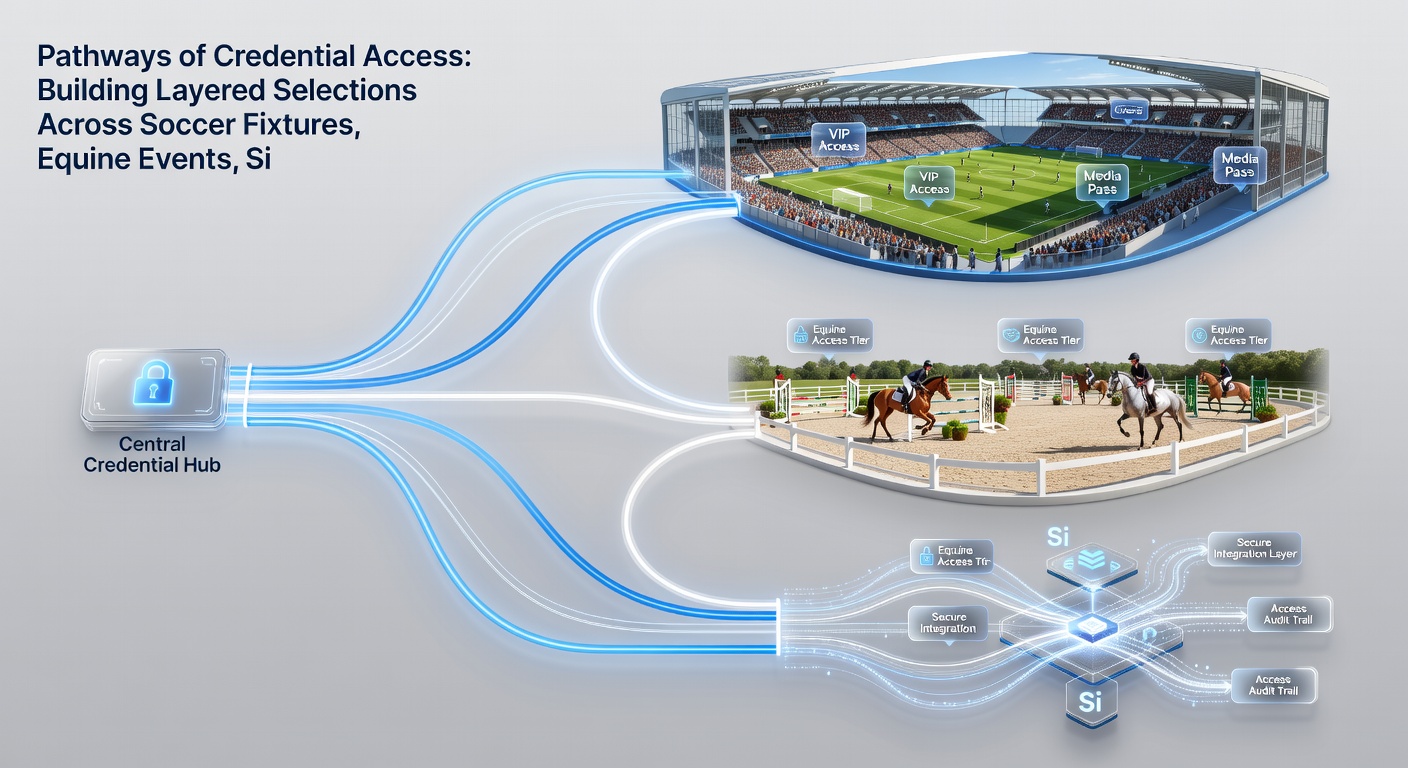
Operators design credential systems so that one authentication grants entry to multiple event types, and users then build accumulators by adding outcomes from live soccer matches alongside equine race results while incorporating virtual simulations. According to research published by the National Council on Problem Gambling, these login structures support higher volumes of multi-leg bets because the process reduces friction between different betting modules. Observers note that mobile platforms in May 2026 incorporated biometric options alongside traditional passwords, which further streamlined transitions from one category to another.
Soccer Fixtures Intersecting with Equine Events
Soccer matches provide frequent in-play opportunities that users combine with equine race schedules through the same account dashboard, and this layering creates accumulators spanning both real-time football statistics and horse performance data. Figures from the Canadian Gaming Association reveal that combined soccer and racing legs accounted for a measurable share of total stakes during the 2025-2026 season. The same credential remains active when bettors move from pitchside markets to trackside selections, allowing seamless addition of new legs without separate logins.
Simulated Contests and Gaming Venues Extending the Chain
Virtual simulations fill gaps when live events pause, so users continue stacking selections by accessing simulated sprints or digital table games under the same authenticated session. Research from the Australian Institute of Family Studies shows that these extensions maintain engagement levels across off-peak hours, particularly when reward structures attach bonus multipliers to completed accumulator chains. Gaming venues contribute additional legs through slot or table outcomes that integrate directly into the same mobile interface, and credential persistence ensures the entire sequence processes under one verification record.
Reward Structures Tied to Credential Activity
Mobile applications attach promotional credits and loyalty points to verified accounts, and these incentives activate once users complete layered selections across the available categories. Evidence from European gaming trade reports indicates that reward redemption rates increased when operators linked bonuses directly to accumulator completion rather than isolated bets. In May 2026 several platforms introduced tiered reward ladders that updated automatically as bettors progressed through soccer, equine, virtual, and casino legs within a single authenticated session.
Technical Pathways Supporting Cross-Category Staking
Backend systems route credential tokens across separate event databases so that selections from disparate sources combine into one payout calculation, and this architecture prevents session timeouts during extended staking sessions. Those who manage the platforms have documented that API connections between modules keep user selections synchronized in real time. The result appears in accumulator builders that display soccer odds next to equine prices and virtual probabilities without requiring users to re-enter credentials at each stage.
Conclusion
Credential access pathways continue to shape how accumulators form across soccer fixtures, equine events, simulated contests, gaming venues, and mobile reward structures. Industry data from May 2026 demonstrate that single-login frameworks support the technical and operational requirements for these layered selections while maintaining separate risk controls for each category. Further platform updates are expected to refine token management and reward integration as operators respond to evolving usage patterns.