Digital Hubs Connecting Multi-Format Wagering in Sports, Racing, Simulations, and Casinos
Devon Vogel · Aug 13, 2026
Digital Hubs Connecting Multi-Format Wagering in Sports, Racing, Simulations, and Casinos
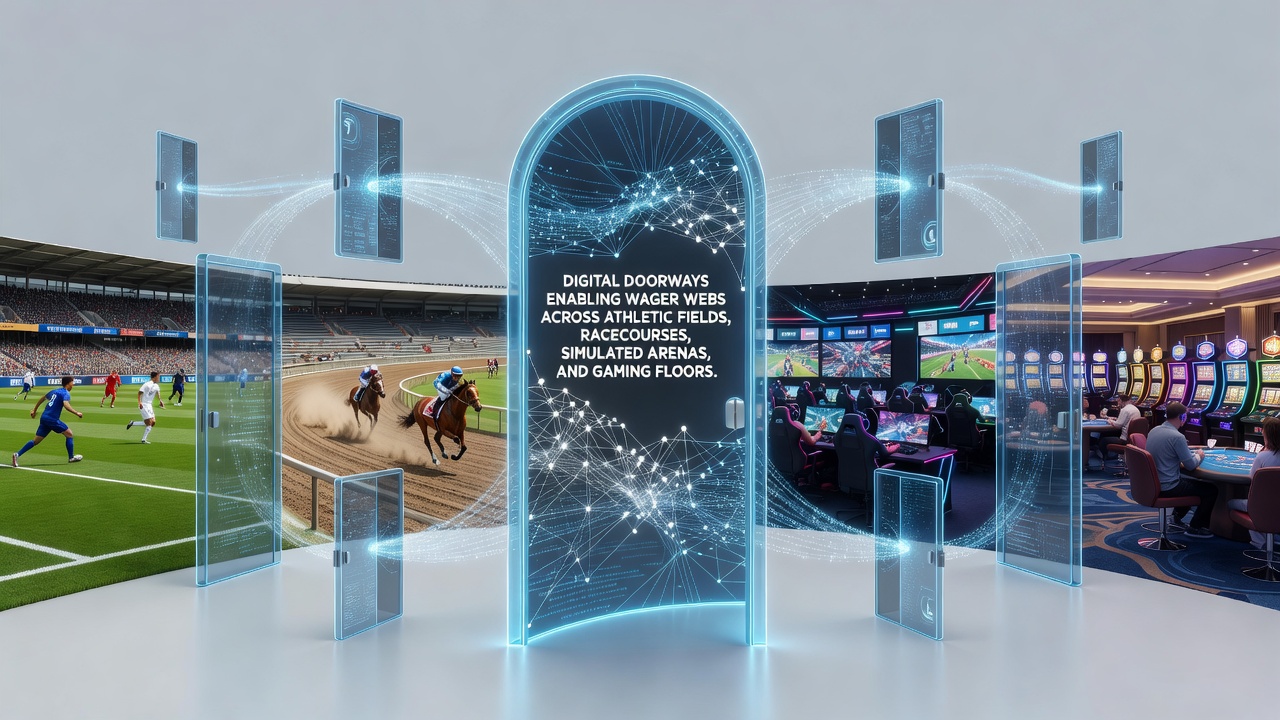
Digital platforms now serve as central access points that allow users to place wagers across live athletic events, traditional racecourses, computer-generated competitions, and casino-style games through single account interfaces, and these systems have expanded notably by August 2026. Operators integrate multiple verticals into unified dashboards so that a bettor can move from a football match in progress to a horse race at a distant track without separate logins or fund transfers, while virtual simulations and table games sit alongside them in the same menu structure.
Platform Architecture and Cross-Vertical Access
Modern betting applications rely on centralized user accounts that store balance, preferences, and history across categories, which means one authentication step opens pathways to in-play football markets, trackside odds, algorithm-driven virtual races, and roulette wheels or blackjack tables. Data from industry associations shows that such integration reduces friction during session switches, and operators report higher session durations when users can chain selections without leaving the app environment. Researchers at institutions like the University of Nevada, Las Vegas have documented how these hubs streamline transaction flows, and figures reveal that account-based systems handle millions of daily cross-category movements in regulated markets outside the UK.
Live Sports and Track Integration Patterns
Football matches and horse racing remain core offerings on these platforms, yet the digital layer allows simultaneous monitoring of both through live data feeds that update odds in real time, and users often combine selections from each into single accumulators. A typical flow starts with a live soccer edge during the first half, then shifts to a race meeting later the same afternoon, while the same balance covers both without manual intervention. Observers note that this structure mirrors patterns seen in other regions where regulatory bodies such as the Australian Gambling Research Centre track participation across sports and racing verticals, and their reports indicate steady growth in multi-format activity through 2025 into 2026.
Virtual Simulations and Casino Extensions
Simulated events fill scheduling gaps between real fixtures, and casino tables provide constant availability that keeps engagement high during quieter periods on tracks or pitches. Platforms present these options in adjacent tabs or carousels so that a user finishing a virtual sprint can transition directly to a slot round or card table, and the shared wallet maintains continuity. Studies from the National Center for Responsible Gaming in the United States highlight how such seamless movement across formats affects overall play volume, with evidence drawn from multiple jurisdictions showing that integrated menus correlate with broader category exploration.
Mobile Delivery and Session Continuity
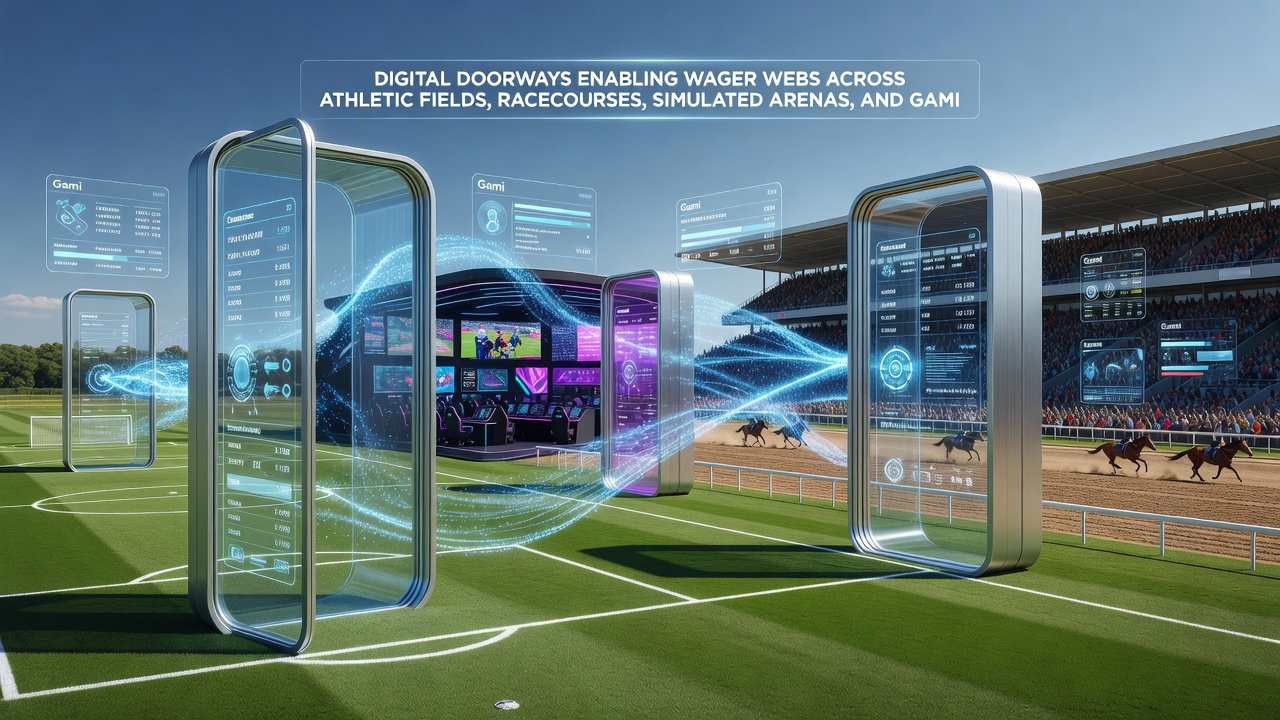
Smartphone applications dominate access because they support push notifications for upcoming races or match updates while keeping casino and virtual options one tap away, and August 2026 data from various operators indicates that over 80 percent of cross-vertical activity occurs on mobile devices. The architecture supports background updates so live odds refresh without interrupting a casino spin or virtual race result, which keeps the experience continuous rather than fragmented across separate apps. Those who monitor industry metrics point out that this continuity contributes to the observed rise in account numbers across integrated platforms in several regulated territories.
Regulatory Context and Market Data
Different jurisdictions apply varying rules to these multi-format systems, yet the technical capacity for unified accounts has become standard in mature markets, and compliance frameworks require clear separation of certain game types even while permitting single-sign-on access. Reports compiled by European trade groups document quarterly growth in remote betting that spans traditional sports, racing, virtual products, and casino content, and similar patterns appear in analyses from Canadian provincial regulators. The result is a landscape where digital hubs function as the operational backbone for diverse wagering activity rather than isolated silos.
Conclusion
Digital platforms that connect athletic events, racecourses, simulated competitions, and casino offerings through shared accounts represent the current structure of remote betting operations, and data through August 2026 confirms continued expansion of these integrated systems. The technical links enable movement across categories while maintaining separate regulatory treatment for each vertical, which keeps the overall market functional and trackable. As more jurisdictions publish participation statistics, the role of these hubs in shaping how users engage with multiple formats becomes clearer through the available evidence.