Entry Gateways Powering Blended Approaches to Football Wagers, Racing Runs, Virtual Simulations, Table Activities, and Portable Incentives
Bianca Russell · Jun 20, 2026
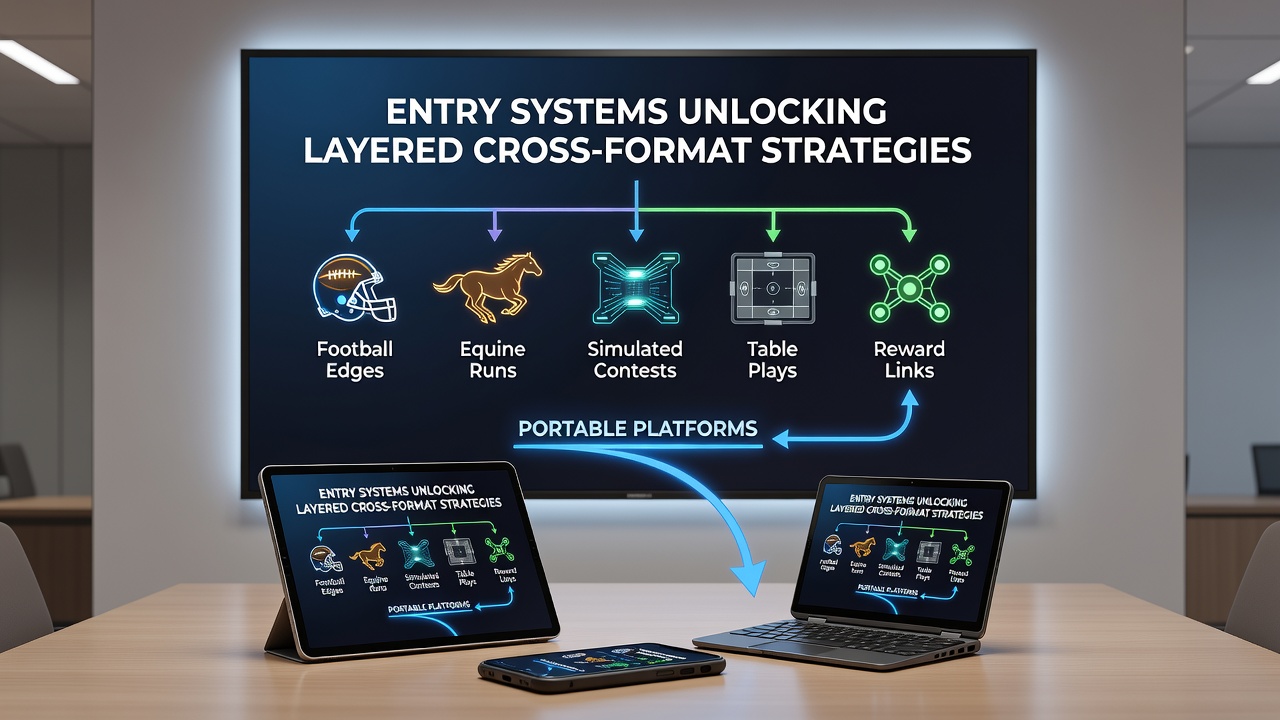
Entry Gateways Powering Blended Approaches to Football Wagers, Racing Runs, Virtual Simulations, Table Activities, and Portable Incentives
Entry systems on portable platforms function as central access points that allow users to connect multiple betting formats through single authentication processes, and data from industry tracking shows these mechanisms support combinations of football in-play selections, equine event wagers, simulated contest entries, table game rounds, and promotional reward structures without requiring repeated logins. Observers note that mobile applications integrate these elements by linking user accounts directly to live data feeds and account balances, which enables sequential or simultaneous placements across categories while maintaining session continuity.Core Mechanics of Cross-Format Integration
Portable platforms utilize API connections that pull real-time odds from football matches, horse racing events, virtual simulations, and casino tables into unified interfaces, and this setup permits users to shift between formats during active sessions. Research indicates that account-linked dashboards display available incentives alongside core betting markets, so participants can apply bonus credits earned from one area toward selections in another without separate verification steps. Those who've examined mobile betting logs find that single sign-on features reduce friction during transitions, for instance moving from a live soccer accumulator to an equine sprint while the same reward balance remains accessible.
Football and Equine Layering Patterns
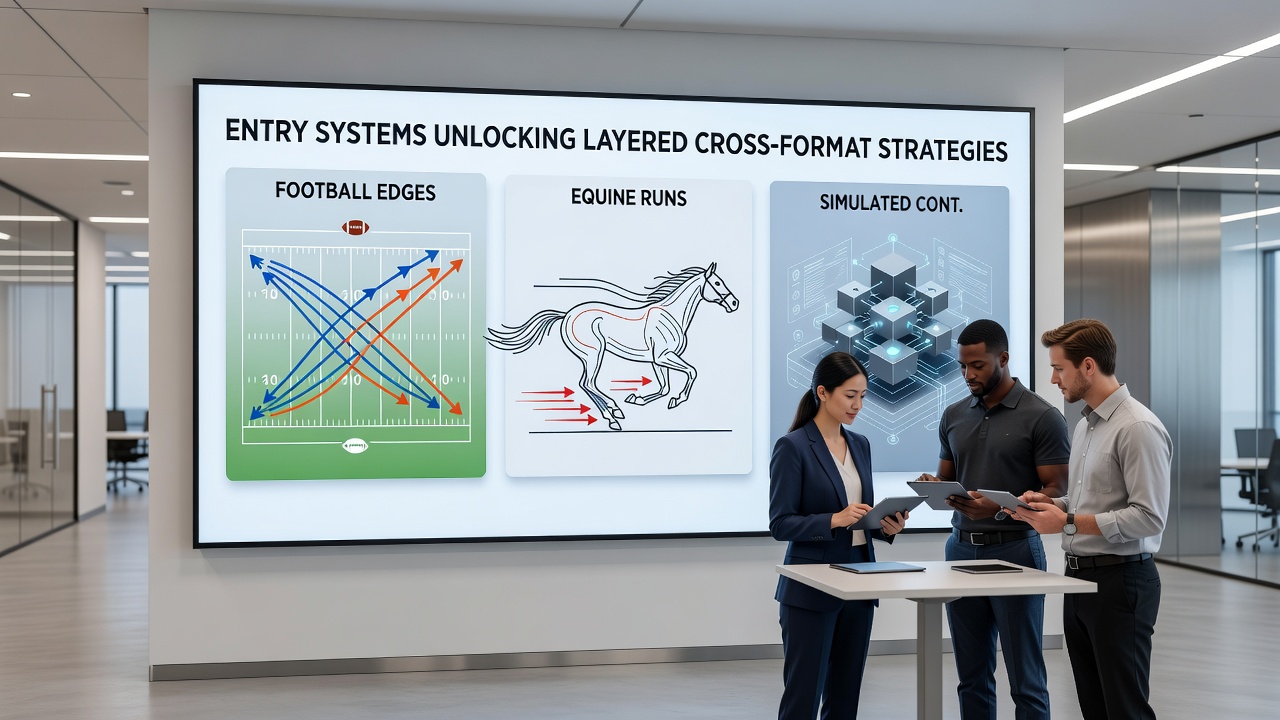
Football edges often appear in live markets that update during matches, while equine runs provide fixed or fluctuating odds based on race conditions, and entry systems merge these by allowing accumulators that span both within one betting slip. Data shows users frequently combine pre-match football predictions with in-race horse selections when mobile interfaces update both simultaneously, and this occurs because login credentials grant immediate access to multiple event streams. Analysts report that June 2026 figures revealed steady growth in such combined activity on apps that pre-load relevant categories after initial authentication.
Adding Simulated Contests and Table Plays
Simulated contests generate outcomes through algorithmic models that run on continuous cycles, which complements table plays where users engage with card or wheel mechanics at digital versions of traditional games. Entry portals connect these by routing authenticated sessions to randomized or skill-based environments without additional barriers, and figures reveal that participants often alternate between virtual dashes and casino table rounds when reward multipliers apply across both. Studies from the Victorian Responsible Gambling Foundation have documented how mobile systems track participation across simulated and table categories through unified player profiles.
Role of Reward Links in Sustaining Activity
Reward structures on portable platforms operate through credit or free-bet mechanisms that activate upon meeting defined criteria, and these link directly to entry systems so users can apply them across football, racing, virtual, or table selections. Reports from the National Council on Problem Gambling indicate that integrated incentive tracking helps maintain session flow because balances update in real time after each format transition. Observers note patterns where initial rewards earned in one category extend to others, creating chains that persist as long as the authenticated session remains active.
Market Context in Mid-2026
By June 2026 portable platform usage had expanded to encompass broader cross-format participation according to aggregated operator data, and this growth aligned with improvements in mobile authentication speed and data synchronization. Those monitoring account activity found higher instances of layered strategies during periods when multiple event types overlapped in scheduling, such as evening football fixtures running alongside virtual contest cycles. Industry records show that entry systems capable of handling simultaneous feeds from diverse categories supported these developments without requiring format-specific logins.
Technical Pathways Supporting Layered Strategies
Backend systems route authenticated users through shared databases that store preferences, balances, and active promotions, which allows seamless switches between football edges, equine runs, simulated contests, and table plays. Developers implement push notifications that alert participants to new opportunities in connected formats, and this keeps engagement distributed rather than isolated to single categories. Evidence suggests that platforms with robust session management experience fewer drop-offs during multi-format sequences because login persistence eliminates repeated entry barriers.
Conclusion
Entry systems on portable platforms continue to facilitate layered approaches by connecting football, equine, virtual, table, and reward elements through unified access points, and available data through mid-2026 confirms their role in enabling these combinations. The technical infrastructure supports ongoing transitions while maintaining account integrity across formats.