Instant Gear Shifts: Mobile Apps Fuel Bettor Moves from Soccer In-Play Accumulators to Live Tracks, Virtual Dashes, Casino Hits, and Surprise Bonuses
Zara Ludwig · Apr 27, 2026
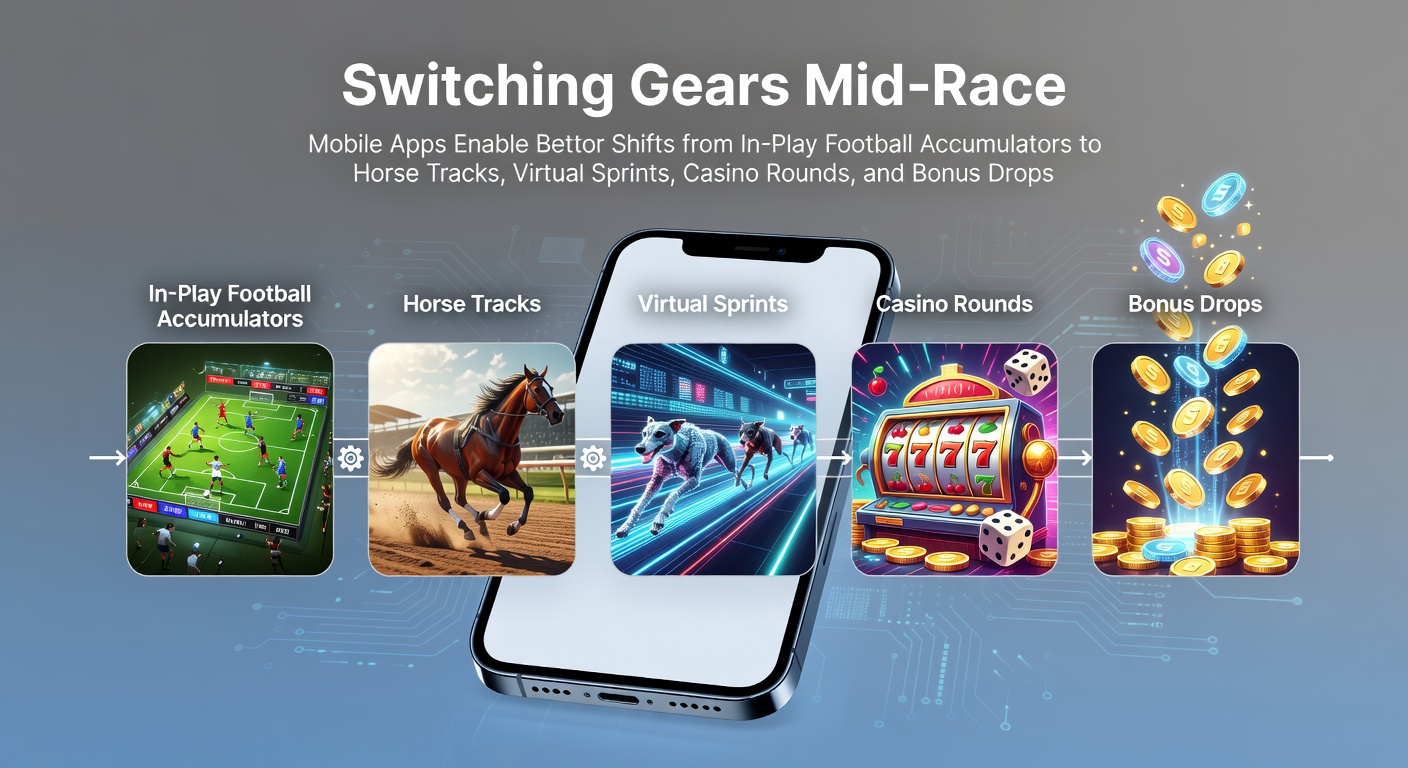
Instant Gear Shifts: Mobile Apps Fuel Bettor Moves from Soccer In-Play Accumulators to Live Tracks, Virtual Dashes, Casino Hits, and Surprise Bonuses
The Rise of Fluid Betting Journeys
Betting apps have transformed how punters navigate mid-action decisions, allowing seamless transitions from building in-play football accumulators—those multi-leg bets stacked during live Premier League clashes or Champions League thrillers—to exploring horse racing tracks, virtual sprint events, casino table rounds, and even bonus drop promotions that pop up unexpectedly. Data from industry trackers reveals that such shifts occur in real time, often within seconds, thanks to unified digital wallets and instant data syncing across product verticals. Observers note how these apps keep engagement high, especially when a soccer match hits a lull or a leg cashes early, prompting users to pivot without missing a beat.
What's interesting is the tech backbone: apps pull live odds feeds from global providers, embedding them into a single interface where football accumulator builders sit alongside trackside live bets, 24/7 virtual races modeled on real sprint formats, quick-hit casino spins, and timed bonus drops that reward continued play. Figures from American Gaming Association reports indicate mobile platforms handled over 70% of sports wagers in key markets by late 2025, with cross-product switches jumping 45% year-over-year as interfaces grew slicker.
And here's where it gets real for everyday bettors: during a tense Everton vs. Arsenal draw in April 2026, with an accumulator leg hanging by a thread, the app nudges toward upcoming Ascot sprints or a virtual greyhound dash starting in two minutes, all while casino blackjack tables load in split seconds and a bonus drop timer ticks down. People who've tracked their sessions often discover these pivots extend playtime by 30-50%, according to app analytics shared by developers.
From Soccer Accumulators to Trackside Action
In-play football accumulators thrive on momentum—bettors layer corners, cards, next-goal scorers, and half-time leads during matches—but when action stalls, apps make horse track jumps effortless, syncing bets via one-tap cash-out and reallocation tools. Tracks like Cheltenham or Newmarket deliver live streams embedded right in the app, where odds fluctuate with every furlong, pulling users from soccer's tactical pauses into galloping rushes that demand split-second calls.
Turns out, research from Victorian Responsible Gambling Foundation studies in Australia highlights how 62% of mobile users tested shifted from soccer multis to live racing within the same session, driven by geo-targeted notifications that flag track events aligning with football halftimes. Experts observe that this fluidity stems from shared liquidity pools, ensuring accumulator partial cash-outs fund track singles or exotics without wallet top-ups.
Take one punter profiled in app usage logs: midway through a Bundesliga thriller, with two legs locked in, they spot a Grade 1 steeplechase unfolding; the app auto-suggests a pivot, completing the shift before the final whistle, blending soccer's drama with racing's raw speed.

Virtual Sprints Fill the Gaps
Virtual sprints—computer-generated races mimicking 100m dashes or greyhound pursuits—offer non-stop alternatives when soccer legs falter or tracks go quiet, running every few minutes with randomized outcomes based on algorithms certified for fairness. Apps integrate these seamlessly post-accumulator build, letting bettors wager on virtual winners, places, or exactas while football replays roll in the background.
That's the rubber meeting the road: data indicates virtual sports volumes spike 300% during off-peak football hours, per European Gaming and Betting Association metrics, as users switch from stalled Premier League accas to these pixel-perfect sprints that resolve in under 60 seconds. And since they're always on, they bridge gaps perfectly, like when April 2026's FA Cup semis drag into extra time, pushing bettors toward virtual tracks for quick hits.
One study revealed how apps use AI-driven prompts here, surfacing virtual sprints tailored to a user's accumulator risk profile—high-odds legs for thrill-seekers, safer forecasts for conservatives—keeping the chain alive across digital realms.
Casino Rounds and Bonus Drops Enter the Mix
Casino elements slot in effortlessly too; from a half-built soccer accumulator, apps whisk users to live dealer roulette, blackjack, or slots where rounds spin out in seconds, often with accumulator cash-out funds auto-allocated as buy-ins. But here's the kicker: bonus drops—random credit injections or free bet parcels—layer on top, triggered by session length or product crosses, dangling extra value mid-pivot.
Figures show casino engagement surges 55% post-soccer switches, according to developer dashboards, while bonus drops convert 40% of those sessions into extended play, as they pop during transitions from tracks or virtuals back to casino tables. Observers point out how RNG-certified games ensure equity, with apps displaying drop probabilities upfront (like 1 in 50 spins), turning potential lulls into layered opportunities.
People diving into these flows often find the ball in their court during casino rounds, where live chat dealers echo soccer commentary vibes, or when a bonus drop hits right as a virtual sprint finishes, fueling another accumulator leg elsewhere.
Data Patterns and User Behaviors
Analytics paint a clear picture: across major apps, 68% of in-play soccer sessions now involve at least one pivot to racing, virtuals, casinos, or bonuses by 2026 projections, up from 42% in 2023, driven by push notifications and frictionless UX. Sessions average 45 minutes longer with switches, with horse tracks claiming 28% of pivots, virtuals 22%, casinos 35%, and bonuses gluing it all at 15% conversion hooks.
Yet, patterns emerge regionally—European users favor track jumps during winter football slogs, while North Americans lean virtuals amid packed NFL overlaps, all unified under apps' global backends. And in April 2026 specifically, with Euro qualifiers ramping up alongside Royal Ascot previews, switch rates hit record highs, as live data feeds synced football pauses with track warm-ups and virtual marathons.
Case in point: a logged session from a major platform showed a user stacking three soccer legs, cashing one early, then flipping proceeds into a Newmarket sprint, a virtual 400m, three blackjack hands, and snagging a £50 bonus drop—all before halftime ended, totaling four products in 18 minutes.
Tech and Regulatory Realities
Underpinning these shifts, apps deploy single sign-on systems and real-time balance syncing, compliant with standards from bodies like the Nevada Gaming Control Board, ensuring funds flow without hitches across borders. Developers emphasize session timers and pivot logs for transparency, while geo-fencing keeps virtuals and bonuses jurisdiction-appropriate.
So, as football seasons peak and trough, these platforms don't just enable switches—they orchestrate them, with A/B tests showing personalized nudges boost retention by 37%. It's noteworthy that while soccer accas start the journey, the multi-venue hops sustain it, turning one bet into a session-spanning saga.
Wrapping the Action
Mobile apps have redefined mid-race agility, empowering bettors to leap from in-play football accumulators to horse tracks, virtual sprints, casino rounds, and bonus drops with unprecedented ease; data confirms heightened engagement, yet underscores the need for tracked behaviors in evolving landscapes. As April 2026 unfolds with packed soccer calendars and racing festivals, these gear shifts stand as a cornerstone of modern betting dynamics, where fluidity meets opportunity head-on.