Integrated Betting Frameworks Connect Football Triggers, Equine Loops, Virtual Simulations, Table Games, and Reward Sequences
Zara Ludwig · Jul 25, 2026
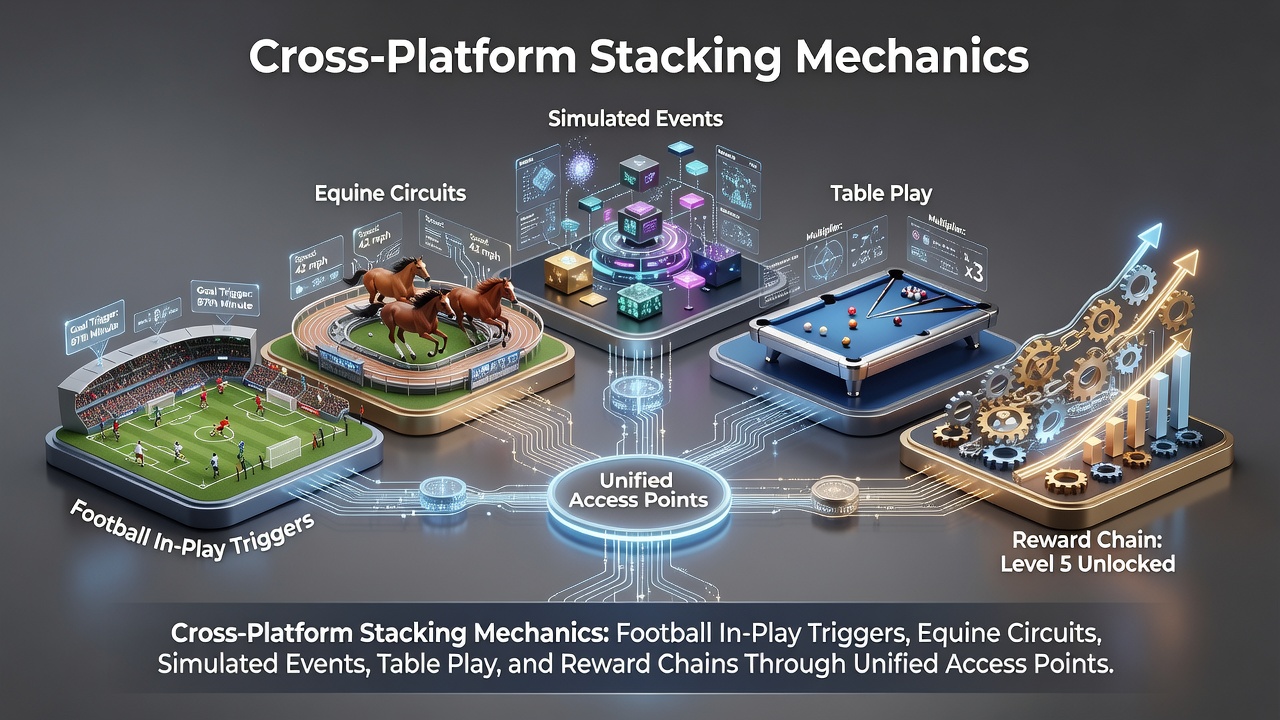
Integrated Betting Frameworks Connect Football Triggers, Equine Loops, Virtual Simulations, Table Games, and Reward Sequences
Operators have developed unified access points that link multiple betting categories through single customer accounts, allowing participants to combine football in-play triggers with equine circuits, simulated events, table play, and reward chains in coordinated sequences. These systems rely on shared login structures where selections from different verticals feed into common accumulator formats. Data from industry reports shows that such integration supports continuous activity across live soccer matches, racecourse schedules, digital simulations, and casino tables without requiring separate sessions for each category.
Football In-Play Triggers Within Stacked Sequences
Football in-play mechanics update odds in real time during matches, and unified platforms feed these updates directly into accumulator builders that already contain selections from other categories. When a customer adds a live goal-time trigger or corner count from an ongoing match, the system recalculates potential returns across the entire chain. Observers note that this real-time linkage lets football selections interact with pre-set equine or virtual legs without manual re-entry. Research from the European Gaming and Betting Association indicates that platforms using single-session interfaces record higher volumes of multi-category combinations during peak European league windows.
Equine Circuits and Live Racing Integration
Equine circuits operate on fixed race schedules that platforms synchronize with football calendars through the same customer portal. A bettor can place a win or place selection on a thoroughbred event at one track while an accumulator remains open for later football in-play triggers. The unified access point maintains the running total and applies any applicable reward multipliers once the equine leg settles. Figures reveal that operators in regions with overlapping racing and soccer timetables have expanded these cross-links to reduce gaps between events. In July 2026, several major platforms reported stable daily volumes when equine circuits filled periods between major football fixtures.
Simulated Events as Bridge Components
Simulated events provide continuous availability between scheduled sports, and unified systems slot these digital races or matches into existing accumulator structures. A customer can insert a virtual sprint or simulated football outcome as an intermediate leg while waiting for live equine or table results. The access point processes these selections with the same account balance and bonus eligibility rules that apply to real-world events. Data shows that platforms incorporating simulated content maintain steadier engagement metrics across twenty-four-hour periods. Those who have examined transaction logs find that simulated legs often complete chains started with football triggers or equine selections.
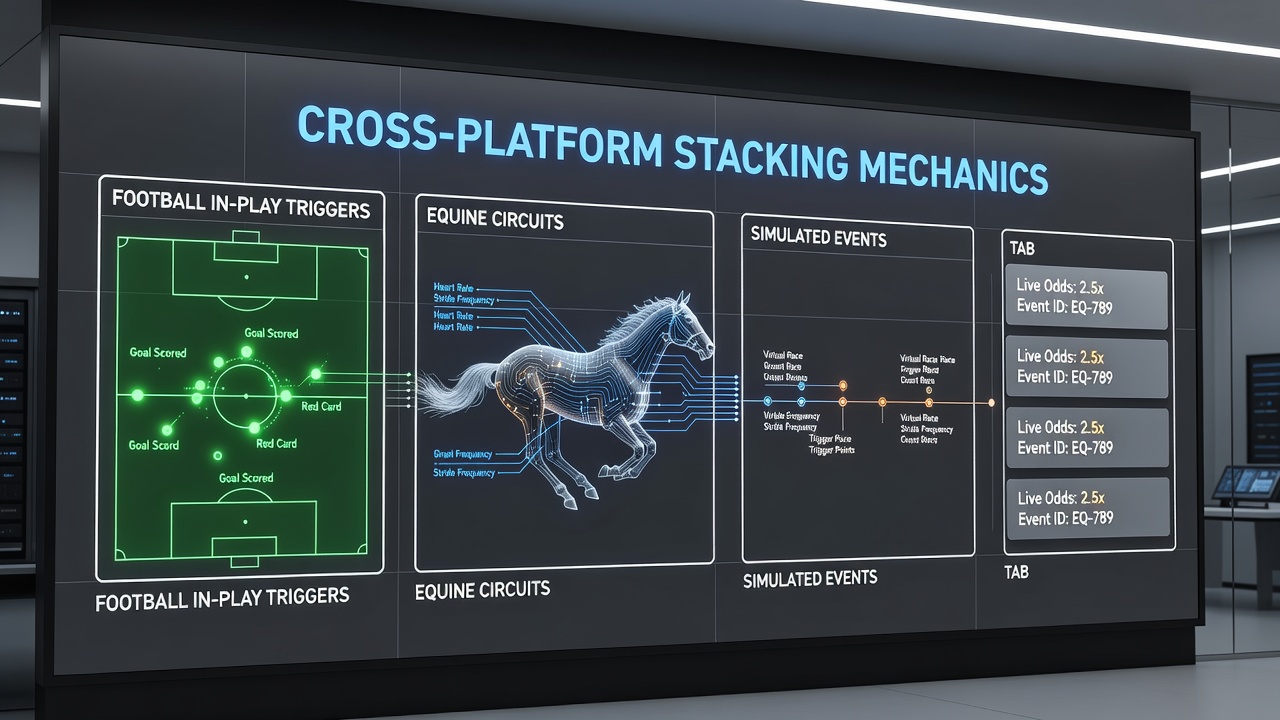
Table Play and Casino Elements in Cross-Category Chains
Table play selections, including blackjack or roulette outcomes, enter the same accumulator framework through the unified access point. The system treats each table result as a distinct leg that settles independently yet contributes to the overall chain payout. Operators configure bonus triggers so that a completed table sequence can activate multipliers applicable to pending football or equine legs. Industry statistics indicate that platforms allowing table play within accumulators see increased session lengths compared with those restricting casino verticals to standalone bets. Researchers have documented that reward chains linking table results to sports selections require consistent account authentication across all categories.
Reward Chains and Incentive Structures
Reward chains activate when specific combinations of football, equine, simulated, and table selections reach defined thresholds. Unified access points track these thresholds automatically and apply bonuses such as free bets or enhanced odds once conditions are met. The mechanism requires no separate claim process because the single login maintains a running record of all completed legs. Reports from the Australian Gambling Research Centre note that transparent tracking of reward eligibility across verticals correlates with higher retention figures in regulated markets. Observers point out that platforms must align bonus terms across categories to prevent mismatches when chains span multiple event types.
Technical Requirements for Unified Access
Platforms achieve cross-category stacking through backend systems that normalize data from football feeds, racing results, virtual generators, and table game servers into a common accumulator engine. Customers interact with this engine via one dashboard that displays available legs from each vertical. Security protocols tied to the login ensure that balance updates and bonus applications remain consistent regardless of which category supplies the next selection. Technical documentation from platform providers shows that API integrations between verticals reduce settlement delays and support the longer chains described in user activity patterns.
Conclusion
Unified access points have established the infrastructure for stacking football in-play triggers, equine circuits, simulated events, table play, and reward sequences within single customer journeys. The mechanics rely on shared authentication, real-time data feeds, and aligned bonus rules that operate across all categories. Available figures from regulatory and research sources confirm that these integrated frameworks support measurable volumes of multi-vertical activity, particularly during periods when schedules overlap or when simulated content fills gaps. Continued development of these systems centers on maintaining accurate settlement and transparent reward tracking as operators expand the range of available combinations.