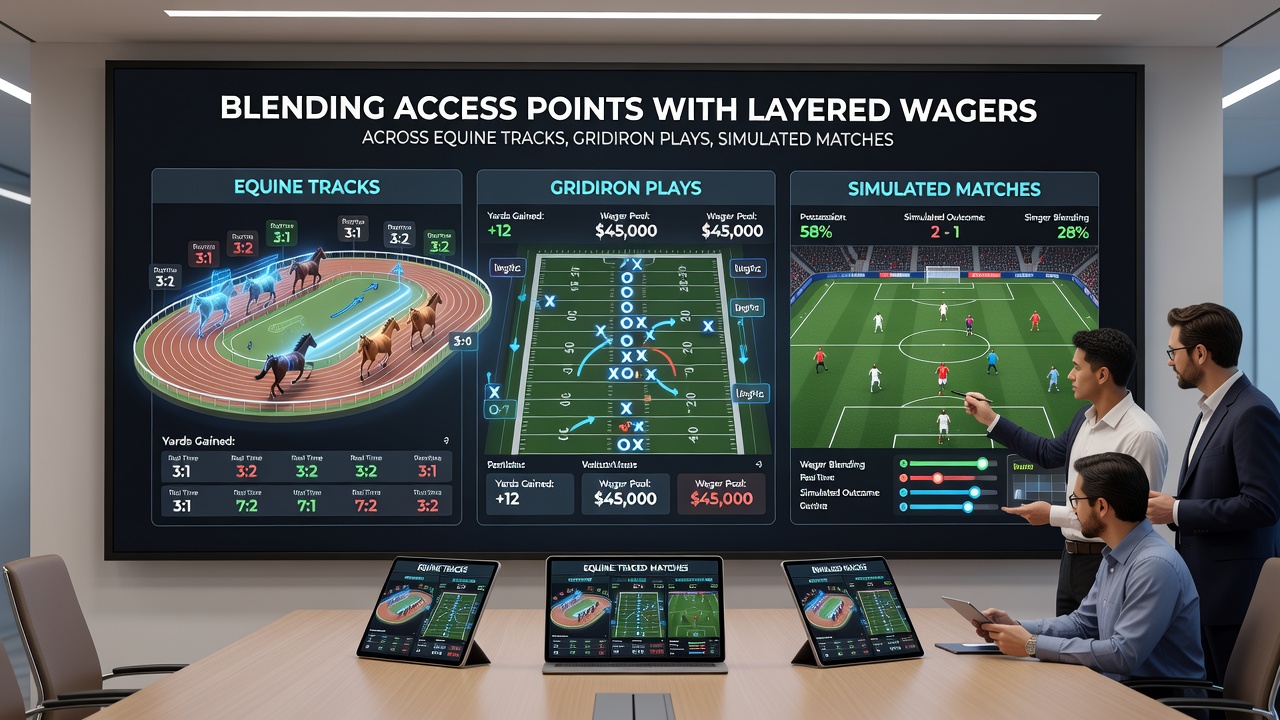
Integrated Mobile Wagering Systems Connect Equine Events, Gridiron Matches, Virtual Simulations, and Casino Tables Through Layered Accumulators
Zara Ludwig · Jul 13, 2026
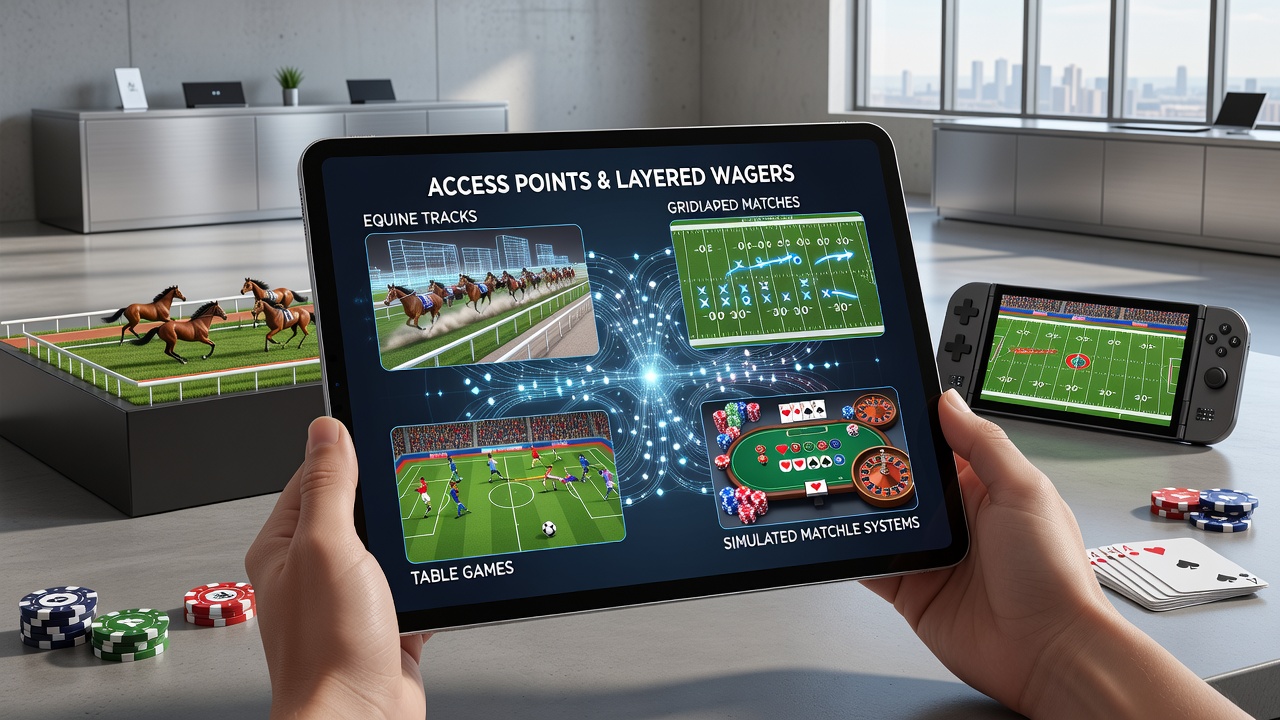
Integrated Mobile Wagering Systems Connect Equine Events, Gridiron Matches, Virtual Simulations, and Casino Tables Through Layered Accumulators
Mobile applications have expanded the ways users combine wagers from multiple categories into single accumulator structures, and portable devices now serve as central points for accessing equine racing, gridiron contests, simulated events, and table games within unified sessions. Operators structure these platforms so that account logins grant entry to live odds feeds, historical data streams, and promotional mechanics that apply across distinct product lines. Data from industry monitoring services shows increased session lengths when users shift between categories without separate authentications. Access integration relies on single sign-on protocols that link user profiles to real-time updates from tracks, stadiums, simulation engines, and dealer tables. Once authenticated, bettors select outcomes from different verticals and stack them into multi-leg structures where each leg draws from a separate domain. This approach allows an equine race finish to sit alongside a gridiron yardage total, a virtual match result, and a table game payout threshold, all resolved within the same payout calculation cycle.Equine and Gridiron Combinations in Accumulator Chains
Equine events provide variable odds based on form, distance, and track conditions, while gridiron plays deliver lines tied to points, spreads, and player props. Portable systems display these alongside each other so users can chain a horse win with a quarterback completion percentage or a defensive sack total. Records from operators indicate that accumulators mixing these two categories often feature between four and eight legs, with settlement times aligned to the longest-running event in the chain. Simulated matches add another layer because their outcomes generate continuously through algorithmic models rather than fixed schedules. Users incorporate virtual race results or digital football simulations into the same accumulator without waiting for live calendars to align. Table games such as blackjack or roulette contribute fixed-probability legs that settle instantly upon spin or hand completion, creating quick resolution points within longer chains.Simulated Matches and Table Game Integration Patterns
Simulation engines operate on random number generators certified by testing laboratories, and portable platforms embed these feeds directly into accumulator builders. A user might pair a virtual greyhound sprint with a live roulette color bet and a gridiron over/under total, then add an equine place finish. Research reports from the Australian Gambling Research Centre document that such cross-category chains appear more frequently in jurisdictions where mobile penetration exceeds seventy percent of active accounts. Table game contributions often function as short-duration legs that offset longer waits for equine or gridiron resolutions. Operators log higher completion rates for accumulators containing at least one instant-settle element because partial payouts release immediately and reduce perceived risk exposure. Figures released in mid-2026 show average accumulator sizes growing by twelve percent year-over-year in markets where simulation and table options sit within the same application interface.