Mobile Tools for Combining Virtual Sports Events, Trackside Live Bets, and Casino Spins in Multi-Part Wagering Systems
Devon Vogel · Aug 1, 2026
Mobile Tools for Combining Virtual Sports Events, Trackside Live Bets, and Casino Spins in Multi-Part Wagering Systems
Platforms in the online gambling sector have developed features that allow users to link virtual sports simulations with live trackside wagers and casino spins into single multi-leg structures, and these tools gained further traction by August 2026 as operators updated their applications to handle cross-category selections through unified interfaces.
Core Components of These Mobile Features
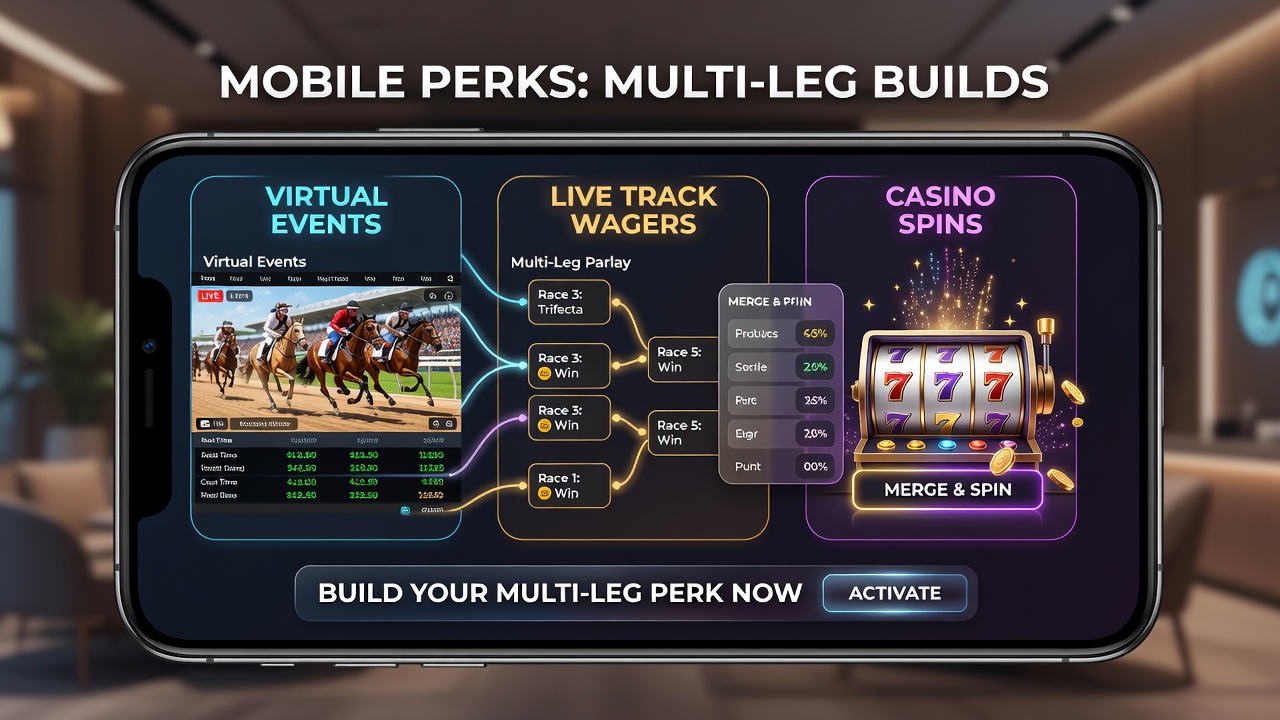
Virtual events provide continuous availability since they run on scheduled digital cycles independent of real-world schedules, while live track wagers update in real time during actual races and casino spins deliver instant outcomes on slots or table games; mobile applications now route these options into one accumulator builder where selections from each category contribute to overall odds calculations.
Data from industry reports indicate that such integrations rely on application programming interfaces that pull feeds from separate game providers and then consolidate them into a single bet slip, and this process lets users add a virtual horse race result to a live greyhound wager followed by a roulette spin without switching between separate sections of the app.
Technical Setup and User Flow
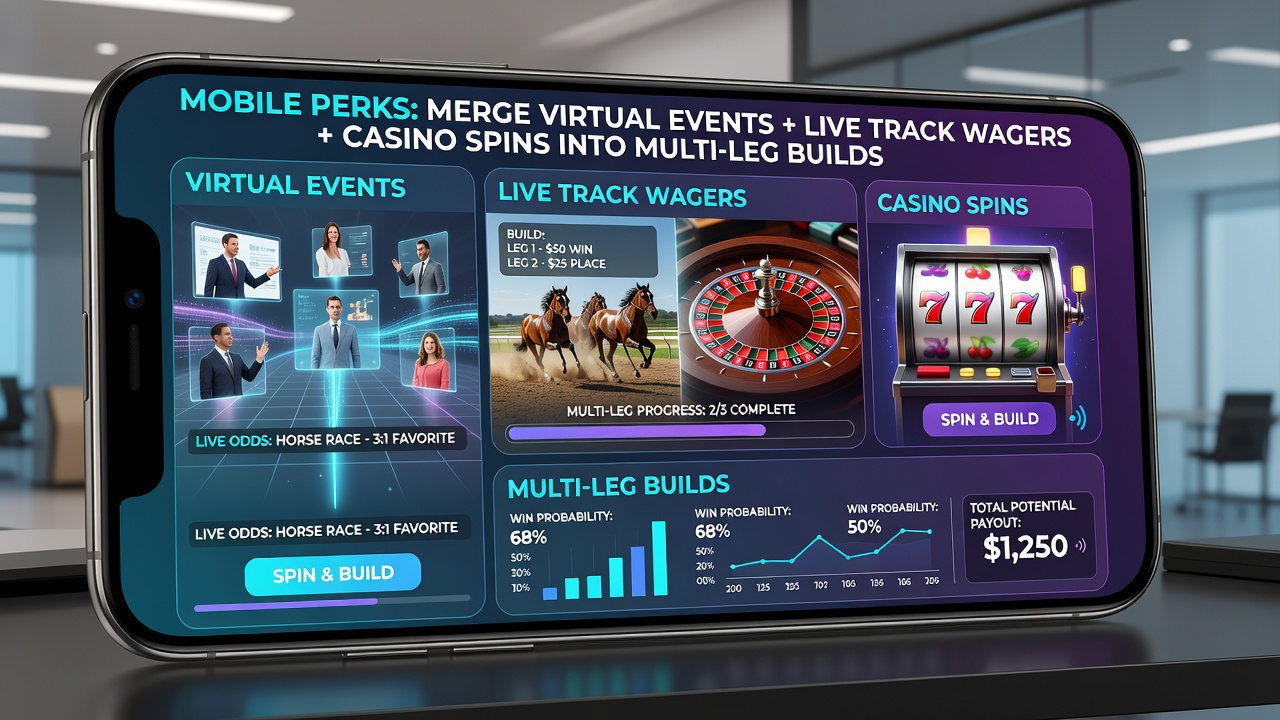
Users begin by opening the mobile application and navigating to a dedicated multi-leg section that displays categories side by side, after which they select one virtual event outcome, add a live track bet that remains open during the race meeting, and finish with a casino spin that resolves immediately upon confirmation. The system calculates combined odds automatically and applies any active promotions that cover multiple legs, such as boosted returns when at least one virtual selection and one live wager appear together in the build.
Observers note that these flows depend on stable connections because live track data changes rapidly and casino spins require quick server responses, yet most established operators maintain redundant servers to limit interruptions during accumulator construction. Research indicates that similar cross-product features first appeared in limited markets before expanding, and by mid-2026 several platforms had rolled out updates specifically for August schedules when virtual events filled gaps left by seasonal track closures.
Regulatory Context Across Regions
Authorities in various jurisdictions have examined how these combined wager types fit within existing rules, and reports from the Victorian Responsible Gambling Foundation show that operators must ensure clear separation between skill-based live elements and random casino outcomes even when presented in one interface. In Australia, state-level guidelines require age verification steps before any multi-leg build can proceed, while Canadian provincial regulators have issued guidance on transparency for odds that mix virtual simulations with real events.
Figures from the National Council on Problem Gambling in the United States reveal increased scrutiny on promotional mechanics that encourage longer bet chains, although the same data sets note that mobile tools themselves do not inherently increase participation rates beyond what single-category apps already produce. European research institutions have published comparative studies that track how different countries handle virtual-to-live linkages, and these papers emphasize the need for consistent payout reporting across all legs regardless of category.
Examples of Platform Implementation
One documented case involves an operator that introduced a summer promotion allowing users to pair a virtual tennis match outcome with a live thoroughbred race and a blackjack spin, after which the system awarded an extra stake credit if the accumulator cleared two legs. Another example from a platform operating across multiple continents shows automated alerts that notify users when a live track wager becomes available to add to an existing virtual and casino combination already in progress.
Those who monitor industry updates have recorded that August 2026 saw several applications release version upgrades focused on faster leg addition and improved visualization of running totals, features that reduced the number of taps required to complete a three-category build from eight to four in tested prototypes.
Conclusion
Mobile platforms continue to refine the technical and regulatory frameworks that support merging virtual events with live track wagers and casino spins into multi-leg builds, and available data from government and research sources show steady expansion of these capabilities across regions. The structures remain subject to ongoing oversight that balances operational convenience with consumer protection requirements, while the underlying systems rely on established data integration methods to maintain accuracy across categories.