Portal Pathways: Authentication Linking Virtual Horse Races, Live Football Wagers and Casino Incentives on Handheld Devices
Xander Patterson · Jul 9, 2026

Portal Pathways: Authentication Linking Virtual Horse Races, Live Football Wagers and Casino Incentives on Handheld Devices
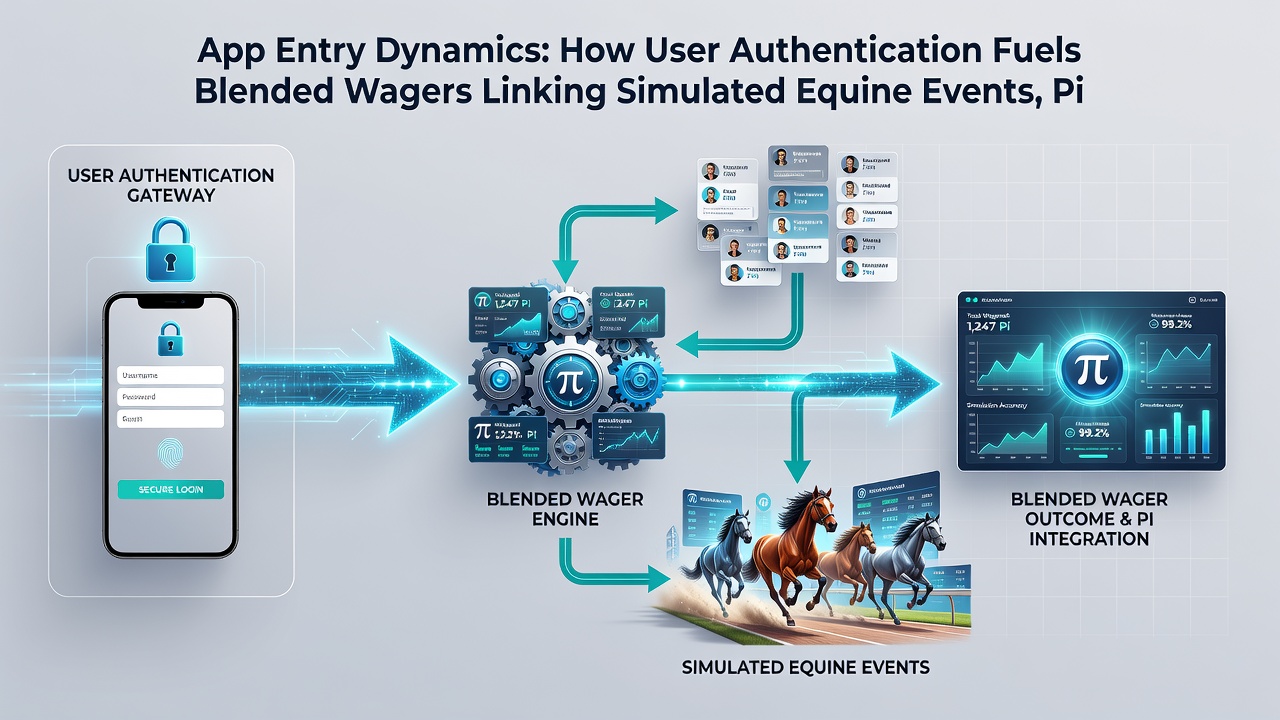
Authentication mechanisms serve as the entry point for users accessing combined wagering options on portable devices where simulated equine events intersect with pitchside live action and layered gaming incentives. These systems verify identity through secure protocols before enabling account holders to construct multi-leg bets that span virtual horse simulations, real-time soccer matches, and promotional casino elements all within a single mobile session.
Core Components of Mobile Entry Systems
Operators design login sequences to confirm user eligibility while simultaneously unlocking access to diversified betting inventories. Data from industry reports shows that verified accounts experience higher engagement rates when platforms allow immediate transitions between virtual track simulations and live match odds. In July 2026, mobile traffic accounted for the majority of session starts across major operators, according to figures compiled by the European Gaming and Betting Association.
Verification steps typically involve multi-factor checks that protect both the platform and the account holder. Once completed, these steps grant entry to accumulator structures that combine outcomes from simulated races, in-play football markets, and bonus-driven table games. The process reduces friction and supports the technical linkage required for cross-product wagering.
Integration of Simulated Equine Events with Live Action
Virtual horse racing modules operate on algorithmic outcomes that run continuously, providing constant availability outside traditional track schedules. Users who complete authentication can incorporate these events into larger bet chains that also include live soccer fixtures. Research from the Australian Gambling Research Centre indicates that such combinations appear more frequently in accounts with established login histories.
Live pitchside betting requires real-time data feeds, and authentication ensures that users receive updated odds without interruption. Observers note that platforms synchronise these feeds with virtual simulations so that a single accumulator can contain legs from both categories. This linkage relies on backend systems that recognise authenticated sessions and apply relevant incentives automatically.
Role of Gaming Incentives in Authenticated Sessions
Promotional rewards activate only after successful verification, creating a direct connection between login status and bonus availability. These incentives often apply across product types, allowing a single deposit to fund bets on virtual equine events, live football, and casino rounds. Industry data reveals that authenticated users utilise such promotions at higher volumes when platforms present them within the same interface.
Operators track these patterns through account-level analytics that link authentication events to subsequent wager types. As of July 2026, reports from the National Council on Problem Gambling highlighted increased use of mobile-linked incentives in blended betting formats. The systems maintain compliance by applying jurisdictional rules at the point of login rather than after bet placement.
Technical Architecture Supporting Cross-Product Chains
Backend databases store user preferences and eligibility flags once authentication completes, enabling rapid assembly of multi-leg wagers. This architecture supports simultaneous display of virtual race results, live match statistics, and active casino promotions. Engineers design the interfaces to minimise navigation steps so that authenticated users move fluidly between sections.
Security protocols refresh periodically during extended sessions to maintain integrity while preserving continuity for ongoing accumulators. Studies from academic sources such as the University of Nevada, Reno Gaming Research Center demonstrate that stable login states correlate with more complex bet structures involving multiple product categories.
Conclusion
Authentication functions as the operational foundation that permits users to construct blended wagers across simulated equine events, live pitchside markets, and gaming incentives on portable devices. The technical and regulatory frameworks surrounding these logins determine how effectively operators deliver integrated experiences while meeting compliance requirements. Data collected through July 2026 continues to illustrate the central position of verified mobile access in contemporary betting ecosystems.