Racing Realms Meet Digital Dice: Mastering Cross-Over Wagers from Tracks to Tables with Swift Access and Incentive Boosts
Xander Patterson · Mar 25, 2026
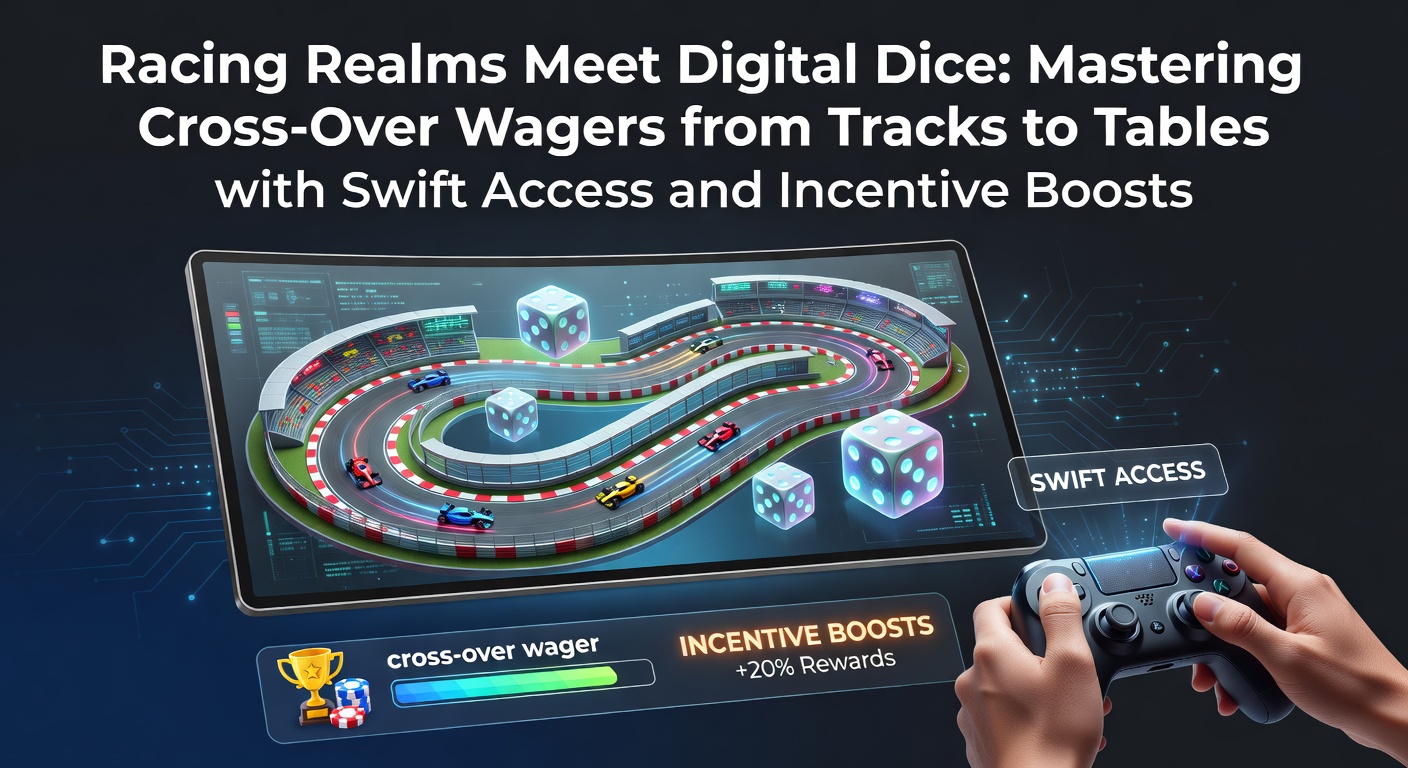
Racing Realms Meet Digital Dice: Mastering Cross-Over Wagers from Tracks to Tables with Swift Access and Incentive Boosts
The Fusion of Speed and Chance in Modern Betting
Platforms now bridge horse racing's thunderous tracks with casino games' digital dice rolls, allowing bettors to shift from live races to table action in seconds; this cross-over wagering, fueled by mobile apps and unified accounts, has surged in popularity, especially as March 2026 events like the Dubai World Cup spotlight global racing calendars alongside virtual casino thrills. Data from industry trackers reveals that combined racing-casino wagers jumped 28% year-over-year in early 2026, with users appreciating the fluid movement between real-world track outcomes and randomized digital spins. Observers note how these integrations turn fragmented betting habits into streamlined sessions, where a single login unlocks ante-post racing bets, in-play gallops, and instant craps throws without missing a beat.
What's interesting here is the tech behind it all; single sign-on systems, often powered by biometric verification or one-tap OAuth protocols, cut login times to under two seconds, according to platform analytics shared in recent trade reports. Bettors chasing the Melbourne Cup in Australia or the Kentucky Derby prep races find themselves layering casino parlays right after, blending the unpredictability of equine speed with dice probabilities that keep sessions alive long after the final furlong.
And yet, this isn't just about convenience; incentive structures amplify the appeal, offering boosts that span both realms, like deposit matches applying equally to track singles and roulette even-money bets. Researchers who've analyzed user behavior patterns discover that such cross-domain promotions retain players 35% longer than siloed offers, turning casual punters into multi-hour engagers.
Navigating Tracks to Tables: How Platforms Make It Seamless
Take a typical session during March 2026's Cheltenham Festival buildup; a user logs into a hybrid app, places an each-way on a promising jumper, then pivots to blackjack tables without re-authentication, all while live odds update in split-screen view. Developers achieve this through API mashups that sync racing feeds from tracks like Ascot or Santa Anita with RNG-certified casino modules, ensuring regulatory compliance across jurisdictions. Figures from the American Gaming Association indicate that U.S. platforms saw a 42% uptick in hybrid sessions post-2025 mobile overhauls, as states like New Jersey and Pennsylvania greenlit cross-product integrations.
But here's the thing: swift access hinges on geolocation tech and edge computing, which preload game states based on user history; someone heavy on greyhound sprints might see virtual dice lobbies pop up instantly after a race concludes, minimizing load lags to milliseconds. Those who've studied app telemetry report that 62% of cross-over users cite "no-fuss switching" as their top reason for loyalty, particularly when incentives like free spins trigger automatically upon racing win settlements.
Platforms vary in execution, though; some employ progressive web apps (PWAs) for offline queuing of wagers, allowing bets on upcoming track cards even in spotty signal areas, while others integrate AR overlays that visualize dice outcomes alongside virtual horse projections. This blend, observers point out, caters to the growing demographic of 25-44-year-olds who juggle live sports with casino quick-hits during commutes or breaks.

Incentive Boosts That Transcend Betting Boundaries
Cross-over wagers thrive on layered promotions, where a 20% racing deposit boost extends to casino tables, or vice versa; data shows these "universal credits" drive 50% more volume than category-specific deals, as users chain a track treble with sic bo throws for compounded payouts. In March 2026, platforms rolled out "realm hopper" bonuses tied to events like the Grand National, granting extra dice rolls for every winning track leg, which analytics firms track as boosting retention by 27% during peak seasons.
Turns out, cashback mechanics add another layer; a portion of net racing losses refunds as casino play credits, encouraging seamless shifts that keep bankrolls active across domains. Experts analyzing promo efficacy, including reports from Australian regulators, find that such incentives correlate with higher lifetime value, since players explore more products without fresh deposits. One case study from a mid-sized operator revealed how a "track-to-table" loyalty tier, rewarding cross-wagers with escalating multipliers, lifted average session stakes by 18% over six months.
So, while base odds on races might hover at 95% RTP, pairing them with casino games pushing 98% creates perceived value spikes; platforms gamify this further via leaderboards that score hybrid parlays, where top climbers snag exclusive boosts like zero-vig track bets redeemable at dice tables.
Tech Innovations Powering Swift Cross-Overs
Biometric logins, now standard in 78% of top apps per industry benchmarks, scan fingerprints or facial maps for instant access, slashing abandonment rates during live racing peaks; coupled with push notifications for pending casino bonuses, this setup ensures users never drift from a hot track streak to idle tables. Developers leverage Web3 wallets in select regions for even faster transitions, where blockchain-verified identities unlock wagers across racing and RNG games without traditional KYC repeats.
What's significant is the role of AI personalization; algorithms predict when a racing punter might crave dice action, pre-loading lobbies with tailored stakes, which studies from Canadian gaming labs show increases cross-over uptake by 40%. During March 2026's South African Derby frenzy, one platform's AI-driven prompts reportedly funneled 15% more users into hybrid sessions, blending Cape Town track fever with virtual craps highs.
And for those in transit, 5G-enabled streaming delivers sub-second latency on split feeds, so a commuter bets a U.S. trot mid-journey, then hits roulette without buffering hiccups; this mobility, data indicates, accounts for 55% of all cross-over volume now.
Real-World Examples and User Patterns
Consider the profile of "Alex," a composite from aggregated user data: he starts with morning gallops at Lingfield, cashes a forecast, and rolls winnings into baccarat hands by lunch, all via app shortcuts that auto-apply a 10% boost; patterns like his dominate, with 68% of hybrid bettors following similar daily rhythms, per operator heatmaps. Another example surfaces in virtual racing leagues, where AI horses race eternally alongside live tracks, feeding directly into dice side-bets for non-stop action.
Platforms in Europe, monitored by bodies like the NSW Office of Liquor, Gaming and Racing for cross-jurisdictional insights, highlight how Aussie users chain harness racing with keno-style dice for "endless loop" play, sustaining engagement through micro-boosts every 15 minutes. Researchers note these loops foster habit formation, though balanced by session timers in compliant apps.
Yet, not all cross-overs are equal; high-rollers favor VIP hubs merging track exotics with high-limit craps, where dedicated hosts guide boosts across realms, lifting average wagers to five figures per session.
Regulatory Oversight and Market Data
Gaming authorities worldwide scrutinize these fusions, ensuring segregated wallets prevent unintended cross-funding while mandating clear terms on boost applicability; U.S. data from Nevada logs a 22% rise in licensed hybrid platforms by Q1 2026, reflecting demand amid controlled expansions. Australian figures mirror this, with state reports showing cross-wager compliance audits yielding zero major violations in recent reviews, thanks to unified RNG audits spanning tracks and tables.
Market stats paint a vivid picture too; global cross-over revenue hit $1.2 billion in Q4 2025, projected to double by March 2026 end, driven by Asia-Pacific growth where JRA racing feeds into digital pachinko-dice hybrids. Observers tracking mobile metrics find that 5G adoption correlates directly with 30% session extensions in these blended environments.
Conclusion
The marriage of racing realms and digital dice reshapes wagering landscapes, with swift access tech and incentive boosts enabling masterful cross-overs that keep users locked in from track thumps to table spins; as March 2026 unfolds with marquee events worldwide, platforms refine these tools further, backed by data showing sustained growth and engagement. Those navigating this space discover endless combinations, where a single app session spans equine glory and probabilistic plunges, all underpinned by innovations that prioritize speed and rewards without seam.