Synchronized Account Frameworks Connecting Live Football Markets, Virtual Equine Events, Table Sequences, and Mobile Reward Systems
Devon Vogel · Jun 29, 2026
Synchronized Account Frameworks Connecting Live Football Markets, Virtual Equine Events, Table Sequences, and Mobile Reward Systems
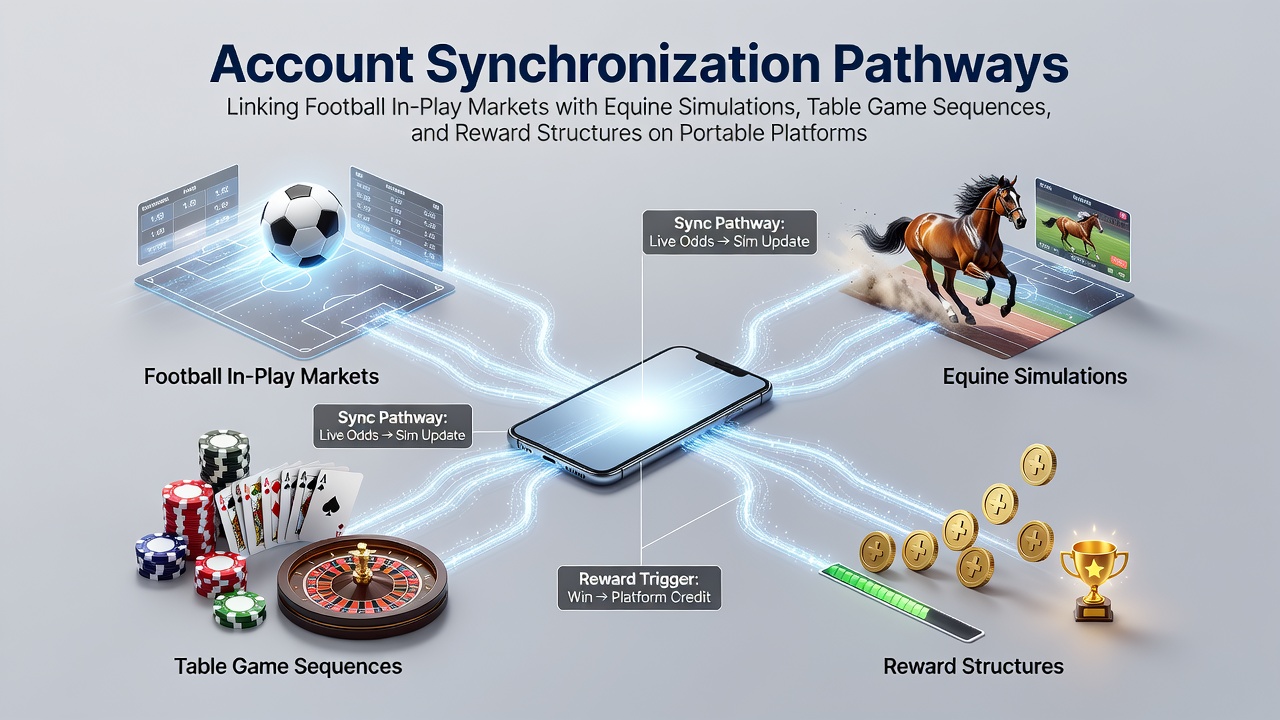
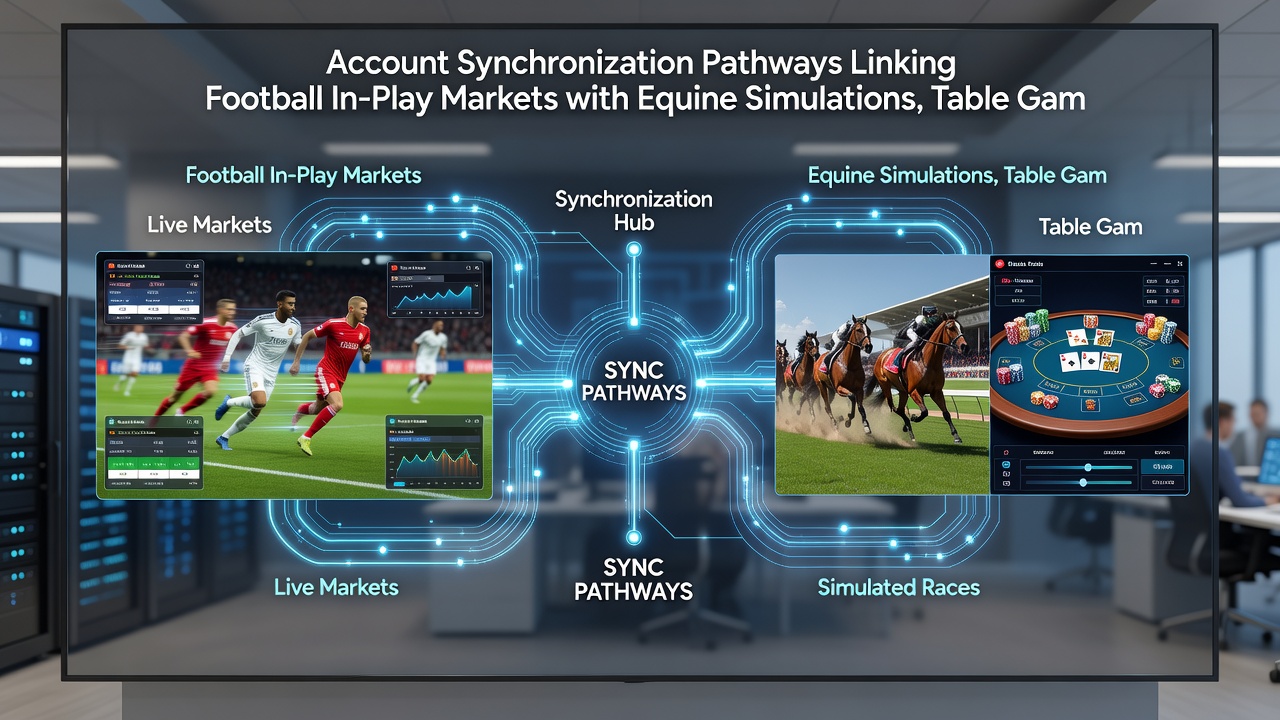
Account synchronization pathways enable users to move between live football in-play markets, equine simulations, table game sequences, and reward structures on portable platforms without separate logins or balance transfers. These systems rely on centralized databases that update across applications in real time, allowing wagers placed during a football match to interact with virtual horse race outcomes and casino table results through shared user profiles. Platforms achieve this integration through application programming interfaces that link different product categories. Data from football in-play events, such as goal timings and odds adjustments, flows into the same account ledger used for equine simulation runs and table game progressions. Mobile devices receive these updates via secure connections that maintain session continuity across network changes.Technical Mechanisms Behind Cross-Product Access
Developers implement token-based authentication that persists across product modules, so a user viewing football in-play odds can switch to an equine simulation without re-entering credentials. Cloud-based storage holds transaction histories, preference settings, and reward balances in unified records. This structure supports simultaneous tracking of active bets in football matches, virtual race entries, and table game rounds on a single portable device.
Encryption protocols protect data during transfers between football market feeds and equine simulation engines. Regulatory standards in multiple jurisdictions require these safeguards, while operators test synchronization speeds to keep latency below thresholds that affect live betting decisions. Observers note that successful pathways reduce errors in balance calculations when users combine football in-play wagers with table game sequences.
Role of Reward Structures in Account Continuity
Reward structures tie directly into synchronized accounts by converting activity across football, equine, and table categories into unified points or credits. A completed sequence in a table game can contribute to eligibility for bonuses that apply during equine simulations or football in-play periods. Portable platforms display these accumulated rewards through dashboards that pull from the central profile, showing progress without requiring manual updates.
Studies from the National Center for Responsible Gaming indicate that integrated reward tracking appears in systems where users maintain activity across multiple game types. Data shows reward redemption rates increase when accounts link live events with virtual simulations, because users see combined progress metrics on mobile screens. Systems often apply multipliers based on cross-category participation, with rules defined in operator terms that reference the shared account data.
Developments Observed Through Mid-2026
By June 2026, several operators expanded synchronization features to handle higher volumes of concurrent sessions on portable devices. Reports from the Australian Institute of Health and Welfare documented rising participation in cross-product betting, with account integration cited as a factor in sustained user engagement. These updates coincided with improvements in mobile network reliability that support continuous data exchange between football in-play feeds and equine simulation servers.
Engineers addressed edge cases where network interruptions occur during table game sequences by implementing local caching that syncs upon reconnection. Such measures preserve the integrity of reward structures tied to football and virtual horse events. Industry analyses reveal that platforms adopting these enhancements recorded measurable reductions in session drop-offs when users transitioned between product types.
Security and Compliance Considerations
Account pathways incorporate multi-factor verification steps that activate during switches between high-stakes football in-play markets and lower-frequency equine simulations. Compliance teams audit these processes against standards set by regional authorities, focusing on data segregation and access logging. Portable platforms receive regular updates to encryption methods as new vulnerabilities emerge in mobile operating systems.
Researchers at institutions tracking digital gambling patterns have examined how synchronization affects user behavior across game categories. Findings indicate that unified accounts facilitate clearer record-keeping for both operators and users, particularly when reward structures span football, table games, and virtual races. Systems log each transition to support dispute resolution and regulatory reporting requirements.
Conclusion
Account synchronization pathways form the operational backbone that connects football in-play markets with equine simulations, table game sequences, and reward structures on portable platforms. These frameworks depend on coordinated technical components that handle real-time data exchange while meeting security and compliance demands. Continued refinement of these systems through 2026 reflects ongoing adaptation to mobile usage patterns and cross-product activity.