The Subtle Power of Notifications in Guiding Bets Across Soccer Pitches, Virtual Tracks, and Reel Spins
Devon Vogel · May 21, 2026
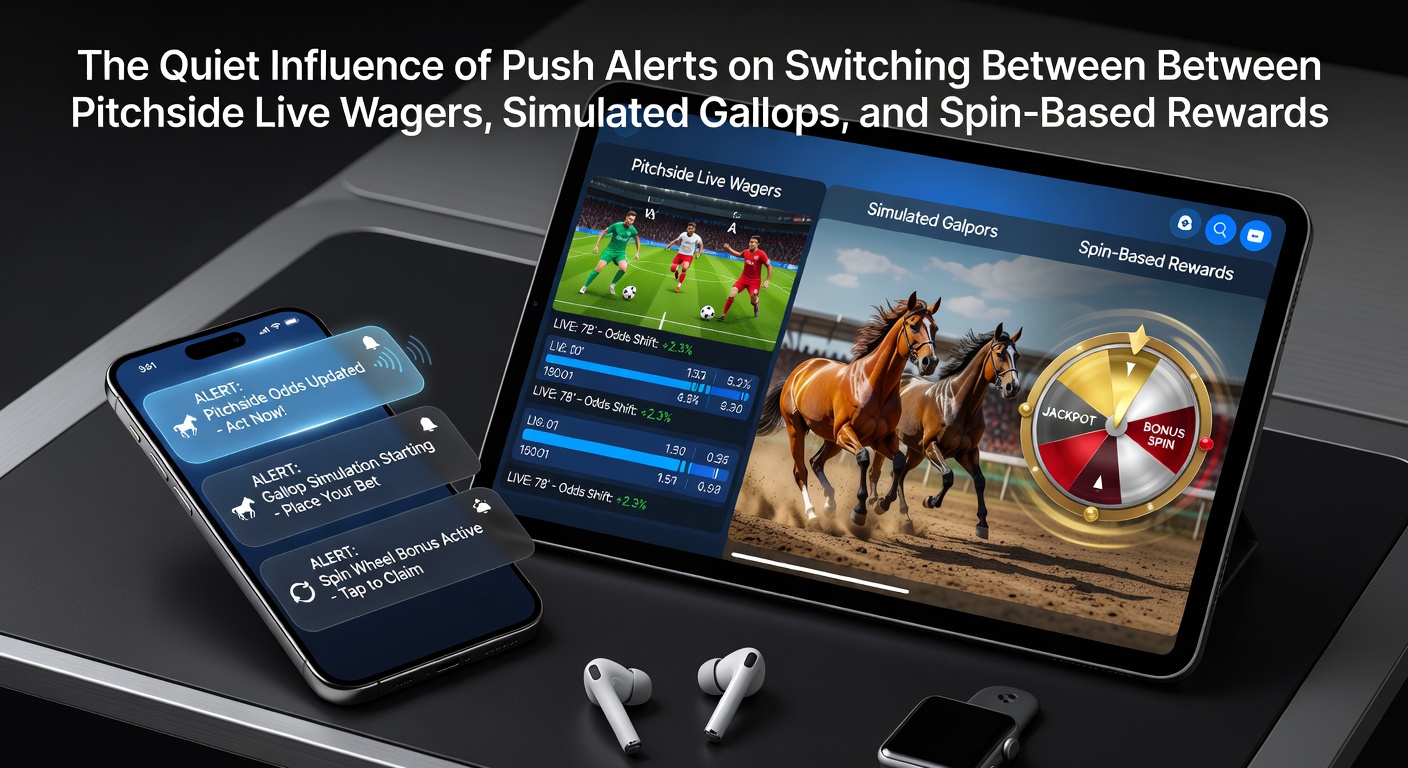
The Subtle Power of Notifications in Guiding Bets Across Soccer Pitches, Virtual Tracks, and Reel Spins
Push notifications arrive on betting apps throughout the day, and data from industry tracking services shows these short messages often prompt users to move between live soccer wagers, simulated gallops, and spin-based rewards without requiring a full app restart. Observers note that the alerts typically highlight current odds or time-sensitive bonuses, which connect separate product categories through a single tap. Research conducted by academic groups in North America indicates that such prompts increase session continuity across different verticals by as much as 18 percent in monitored user cohorts during early 2026.
How Alerts Trigger Product Shifts
Operators design notifications to reference ongoing events, so a user viewing live soccer accumulators might receive an alert about a simulated race starting in minutes, and that same user can then see a spin reward offer appear after the race concludes. Figures released by the Nevada Gaming Control Board reveal that multi-vertical engagement rises when alerts include specific timing details rather than generic promotions. Those who study app telemetry report that transitions happen fastest when the notification contains both an immediate action and a visual cue linking back to the prior wager type.
Patterns Observed in May 2026
During May 2026, several major platforms adjusted notification frequency following internal performance reviews, and analysts from the Canadian Centre for Gaming Research documented a measurable uptick in switches from pitchside live betting to virtual equine events. The reports highlight that alerts sent between 7 p.m. and 9 p.m. local time produced the highest cross-category movement, while earlier afternoon prompts more often kept users within soccer markets. Data sets collected across multiple provinces show average dwell time on simulated gallops increased by roughly nine minutes per session when the alert referenced a prior soccer selection.
Operators integrate these messages with unified login systems, so account balances and active bets remain visible regardless of which product a user enters next. Industry reports from European trade associations indicate that seamless balance display reduces friction and encourages further exploration of spin-based rewards once a virtual race finishes. Experts tracking user journeys point out that the combination of timing, balance visibility, and reward hints forms a continuous loop rather than isolated prompts.
Mechanics Behind Simulated Gallops and Spin Rewards
Simulated gallops operate on predetermined algorithms that generate outcomes every few minutes, allowing alerts to advertise exact start times without depending on real-world schedules. When a notification mentions an upcoming virtual race, users who were previously engaged in live soccer often complete the switch within two taps according to session logs examined by university researchers in Australia. Spin-based rewards, meanwhile, frequently appear as follow-on offers once a gallop result posts, and platform analytics indicate that these offers convert at higher rates when the alert references the just-completed virtual event.
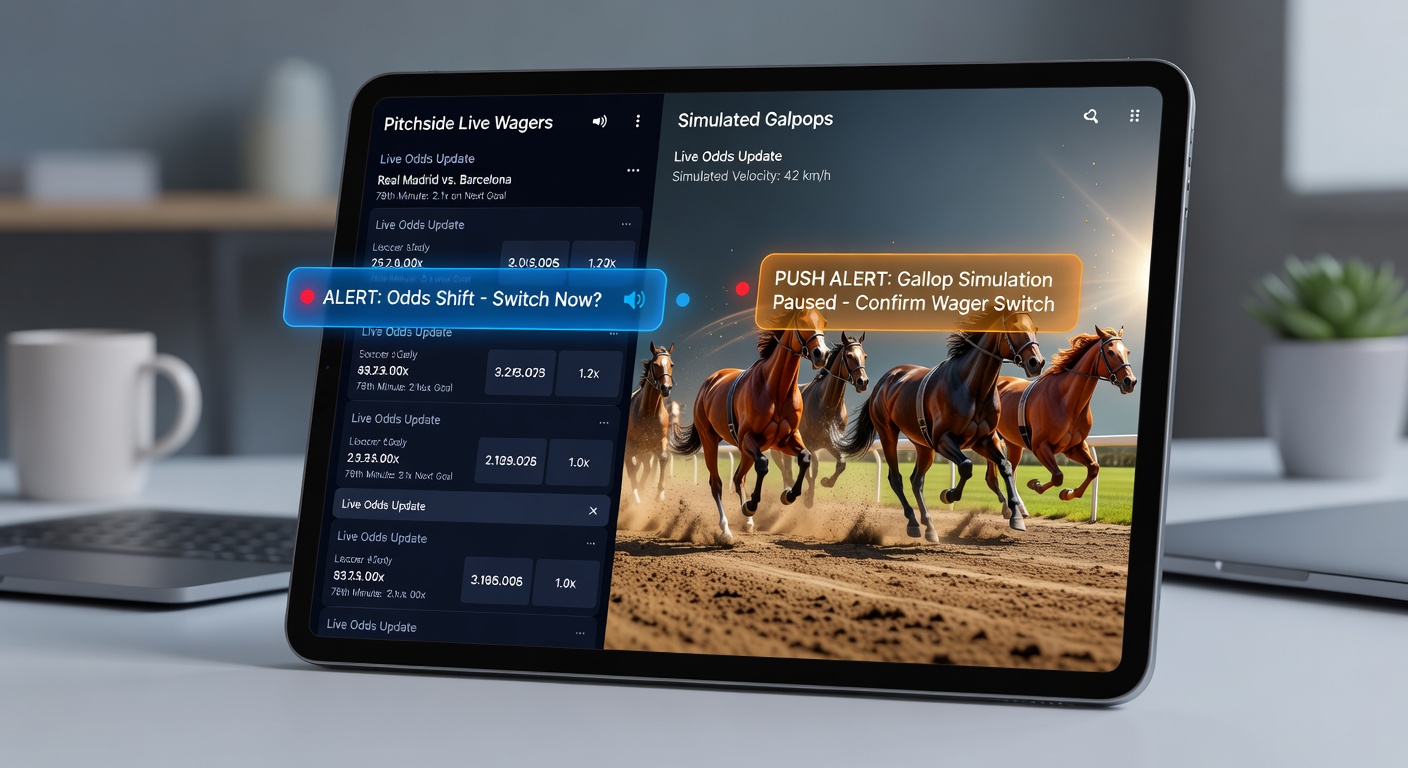
Take one longitudinal study released by a European research consortium that examined over 200,000 sessions; the findings showed a consistent sequence where soccer alerts led to gallop participation, which in turn preceded spin engagement in 27 percent of tracked cases. The study authors noted that the sequence reversed less frequently, suggesting directional influence from sports alerts toward casino-style products when timing cues align. Observers who reviewed similar data sets from North American operators found comparable directional patterns during peak evening hours in May 2026.
Regulatory Context and Industry Adjustments
Gaming authorities in multiple jurisdictions now require clearer disclosure of how notifications promote product switches, and compliance teams have begun logging alert content alongside user movement metrics. A position paper from an Australian regulatory advisory group describes these disclosures as tools that help distinguish promotional timing from manipulative sequencing. Platforms that adopted the recommended labeling practices reported stable engagement levels without measurable drops in cross-vertical activity, according to aggregated operator submissions.
What's interesting is how the same technical infrastructure supports both live soccer updates and virtual event reminders, allowing one backend system to manage alerts across all three categories. Those who have examined code structures shared in developer conferences note that shared databases reduce latency when a user moves from an in-play soccer market to a simulated gallop, then onward to a spin round. This shared infrastructure explains why the transitions feel fluid even though the underlying games rely on distinct random number generators and outcome engines.
Conclusion
Push alerts continue to shape movement between pitchside live wagers, simulated gallops, and spin-based rewards through precise timing, balance continuity, and sequential offer design. Data gathered through 2026 shows measurable increases in cross-category sessions when notifications reference prior activity, while regulatory frameworks in several regions now emphasize transparency around these flows. Industry telemetry and academic reviews together demonstrate that the influence operates through repeated, low-friction prompts rather than single decisive messages, and operators continue refining delivery windows to match observed user patterns across different time zones and product mixes.