Tracing Promotional Credit Flows from Real-World Events to Virtual Models via Encrypted User Interfaces
Devon Vogel · Jun 15, 2026

Tracing Promotional Credit Flows from Real-World Events to Virtual Models via Encrypted User Interfaces
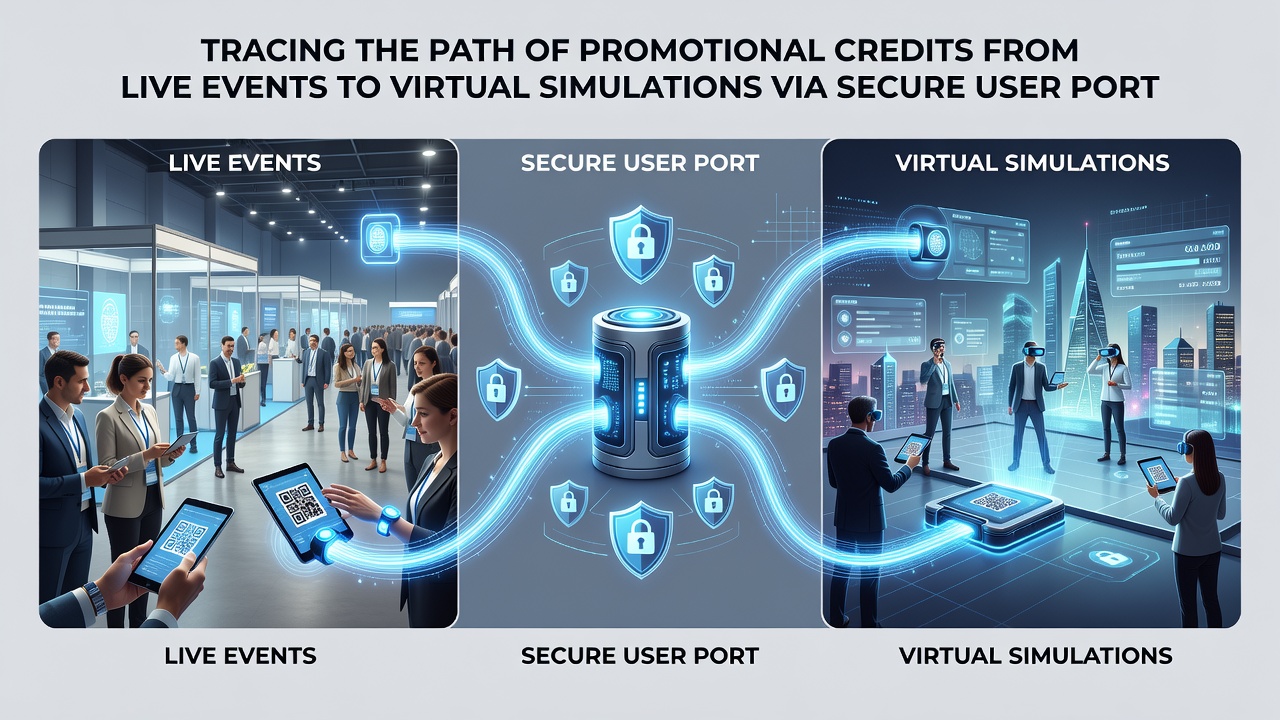
Industry systems track promotional credits as they originate at live events and move into virtual simulation platforms through protected user portals that verify identities at each step along the route, and data from June 2026 shows increased volumes of these transfers across multiple sectors because operators rely on integrated software to maintain accurate balances while users switch between physical gatherings and digital recreations.
Live events generate initial credits when participants complete specific actions such as attendance registration or on-site challenges, after which the credits enter a central ledger that records timestamps and event details before any transfer occurs, and observers note that this starting point establishes the audit trail required for later reconciliation in virtual environments where similar activities take place without physical presence.
Initial Credit Creation at Physical Gatherings
Operators at live venues issue credits through point-of-sale terminals or mobile scanners that connect directly to backend servers, and these systems assign values based on predefined rules tied to ticket purchases or engagement metrics while ensuring each credit carries a unique identifier that prevents duplication during subsequent movements, and researchers from various academic institutions have documented how such identifiers remain intact as credits travel onward.
Once created, the credits sit in temporary holding accounts linked to the user's verified profile, which allows staff to confirm eligibility before release, yet the process also incorporates automatic checks against spending limits that regulatory frameworks in regions like Canada and Australia enforce through oversight bodies including the Canadian Gaming Association and state-level commissions in the United States.
Movement Through Secure Portals
Secure user portals serve as the controlled gateways that authenticate account holders before permitting credit transfers, and these interfaces employ multi-factor verification methods combined with encrypted data packets that shield transaction details from interception during the shift from live event records to virtual simulation databases, while the portals log every access attempt to create compliance documentation that operators review periodically.
Users log into these portals from personal devices or venue kiosks, after which the system validates session tokens against stored profiles and displays available credit balances alongside options to allocate portions toward virtual simulations, and this step ensures continuity because the same identifier travels with the credit rather than generating a new one that might break the chain of custody.
Integration with Virtual Simulation Platforms
Virtual simulations receive the transferred credits once portal authentication clears the request, and platform software converts the credit values into in-simulation currency units that users can apply to digital activities such as simulated competitions or interactive scenarios, whereas the conversion maintains parity so that one credit unit equals the same value on both sides of the transition according to rules set during initial setup.
Platform logs capture the arrival timestamp along with the originating event code, which allows administrators to trace performance metrics across both live and virtual channels, and studies published by university research teams indicate that these logs help identify patterns in user engagement without revealing personal details beyond aggregate statistics required for operational reports.
Additional safeguards include daily reconciliation processes that compare portal exit records against simulation entry records, and any discrepancies trigger automated alerts that prompt manual review by compliance teams before further activity proceeds, while operators in Europe often reference guidelines from the European Gaming and Betting Association to standardize these procedures across borders.
Data Handling and Compliance Measures
Throughout the entire path, data encryption protocols protect credit information at rest and in transit, and portal architectures incorporate tokenization techniques that replace sensitive identifiers with temporary codes during active sessions, yet the underlying records stay linked through secure keys that only authorized systems can decode when needed for audits or user support requests.
June 2026 figures released by independent analytics firms revealed steady growth in cross-platform credit movements, with volumes rising in line with expanded virtual simulation offerings that mirror live event formats more closely than in previous years, and industry reports from organizations such as the Responsible Gambling Council in Canada highlight how these technical features support accurate tracking without increasing administrative overhead.
Conclusion
The complete pathway demonstrates how promotional credits maintain integrity from live event origins through portal verification and into virtual simulation applications because each stage relies on consistent identifiers and layered security that together satisfy both operational needs and external regulatory expectations across different jurisdictions, and continued refinements in portal technology promise further efficiencies for future credit movements.