Unified Data Networks Reshape Multi-Category Wager Assembly in Sports, Racing, Simulations, and Casino Environments
Devon Vogel · Jul 23, 2026
Unified Data Networks Reshape Multi-Category Wager Assembly in Sports, Racing, Simulations, and Casino Environments
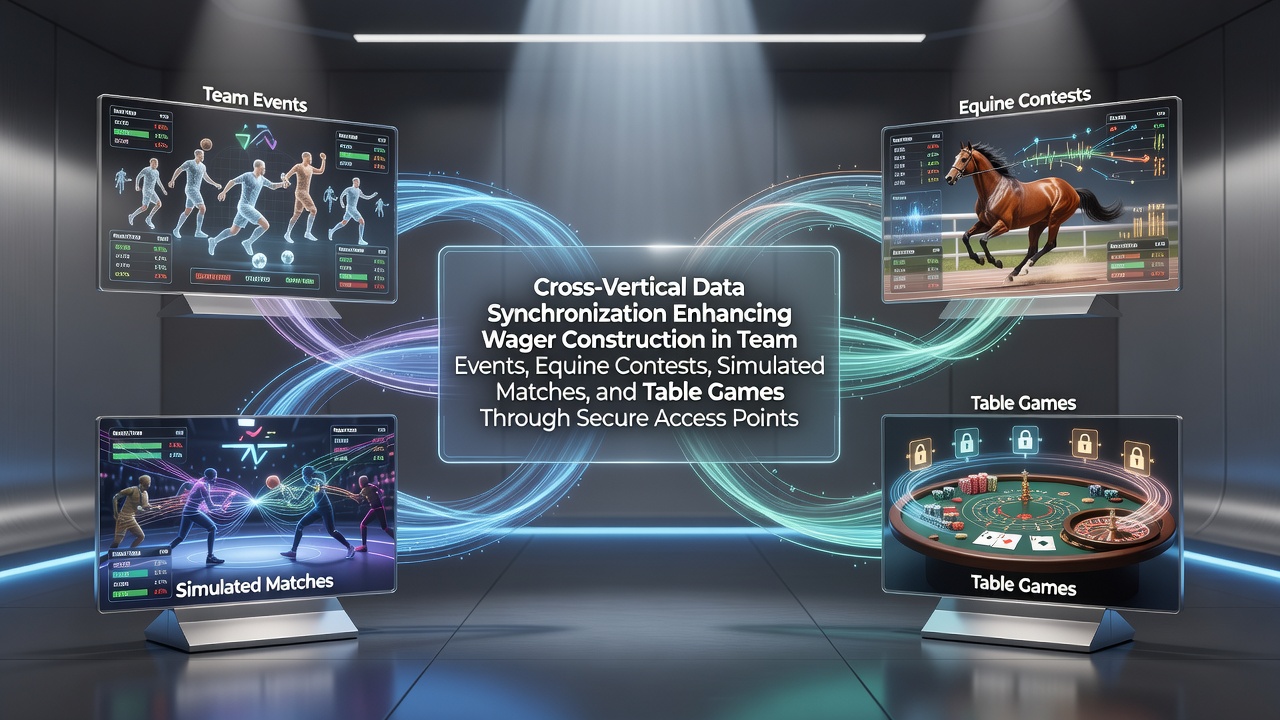
Operators have rolled out systems that pull live odds, results, and user balances from football matches, horse races, virtual simulations, and table games into one secure dashboard, allowing bettors to build accumulators that span all four areas without separate logins or manual transfers. These networks rely on encrypted access points that verify identity once and then maintain session integrity across verticals, which cuts down on latency when odds shift in real time during July 2026 events such as international tournaments and major racing festivals.
How Synchronization Works Across Categories
Secure access points act as the central hub where data streams from different providers converge, so a bettor can add a live football goal line, an equine place bet, a virtual sprint result, and a blackjack side wager into the same accumulator ticket. The process begins with single sign-on verification, after which the platform continuously updates stake limits, payout multipliers, and risk flags drawn from each vertical's backend. Observers note that this setup removes the need to refresh multiple tabs or re-enter credentials, which previously caused many partial tickets to expire before submission.
Research from the Responsible Gambling Council in Canada shows that synchronized platforms record higher completion rates for multi-leg bets because the system automatically reconciles currency conversions and bonus eligibility across categories. In practice, a user selects an event in one vertical, the interface pulls correlated data from the others, and the ticket total recalculates instantly without additional authentication steps.
Security Measures That Support Cross-Vertical Access
Encryption protocols and token-based authentication form the backbone of these access points, ensuring that personal and financial data remain isolated even while odds and results flow freely between verticals. Industry reports from the European Gaming and Betting Association indicate that platforms using these methods experienced fewer account takeover incidents in the first half of 2026 compared with earlier fragmented systems. The same reports highlight that two-factor verification tied to the initial login session covers every subsequent wager placement, reducing the attack surface that separate logins created.
Data flows are segmented so that, for example, a horse racing feed cannot directly access casino table limits, yet the accumulator engine can still combine outcomes for payout calculations. This segmentation satisfies regulatory requirements in multiple jurisdictions while still delivering the seamless experience operators advertise.
Impact on Accumulator Construction in July 2026
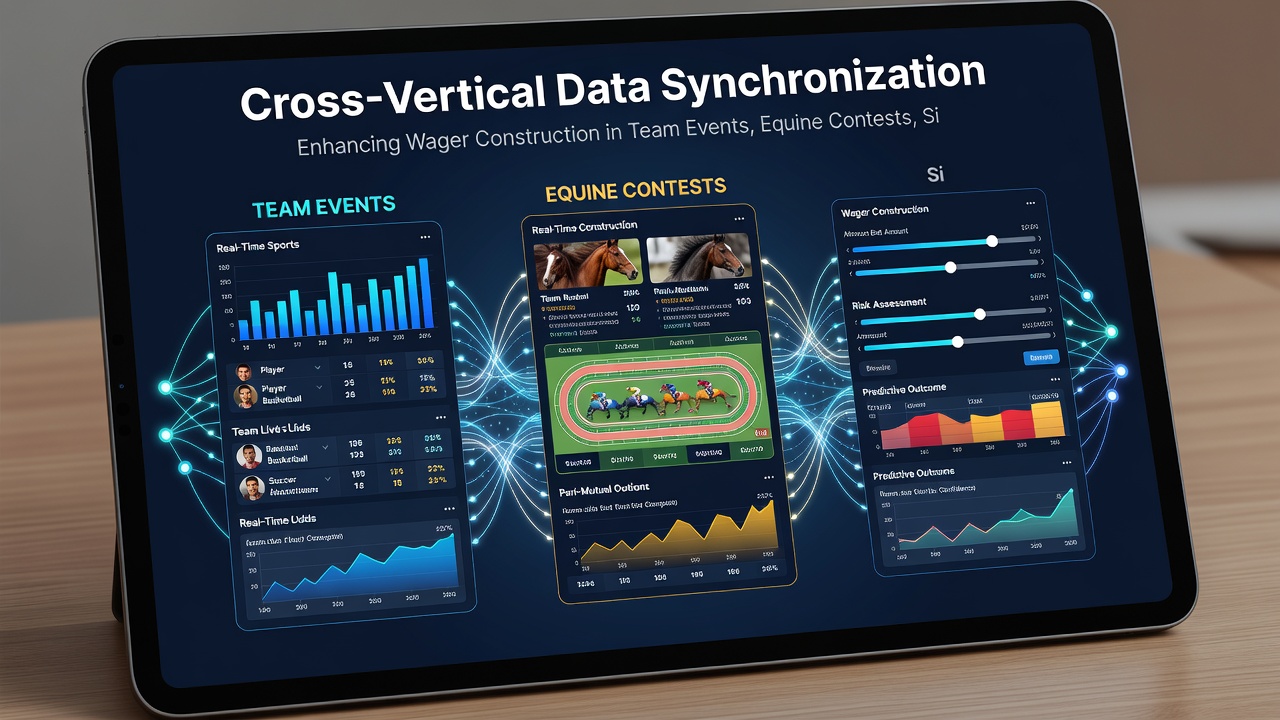
During the busy summer schedule of 2026, synchronized platforms handled record volumes of cross-vertical tickets, especially around overlapping football pre-season friendlies, major racing meetings, and ongoing virtual tournament cycles. Bettors could lock in a football over/under, switch to an equine forecast, add a simulated match outcome, and finish with a casino progressive contribution, all within one verified session. Figures released by state gaming regulators in New Jersey and Pennsylvania confirm that average ticket values on these integrated systems rose steadily through the quarter, driven by the ease of adding legs without exiting the interface.
Operators report that the reduction in session abandonment directly correlates with the removal of repeated login prompts. When a price changes in one vertical, the platform recalculates the entire accumulator in milliseconds and displays the new potential return before the user commits the stake.
Technical Requirements and Platform Adaptations
Successful implementations require real-time APIs that push updates from each vertical's database into a shared middleware layer, while maintaining strict separation of sensitive user information. Developers have introduced standardized data schemas that allow football goal timestamps, equine finish times, virtual race results, and casino hand outcomes to feed into the same payout engine. Testing conducted by independent audit firms in the second quarter of 2026 verified that these schemas preserve accuracy even under peak load during major events.
Access points incorporate device fingerprinting and behavioral analytics to flag unusual patterns across verticals, which helps maintain compliance without interrupting legitimate multi-leg construction. Platforms that adopted these controls early in 2026 reported smoother regulatory reviews and fewer manual interventions during high-volume periods.
Conclusion
Cross-vertical data synchronization through secure access points has become a standard feature on major betting platforms by mid-2026, enabling users to assemble complex accumulators that combine team events, equine contests, simulated matches, and table games within a single verified session. The technical architecture supports continuous data exchange while preserving security boundaries, and regulatory data from multiple regions shows measurable improvements in ticket completion and system reliability. As events continue to overlap throughout the year, these networks provide the infrastructure that keeps wager construction efficient and consistent across all participating verticals.