Unified Interfaces Enabling Multi-Format Accumulator Construction Across Live Soccer, Equine Racing, Simulations, Tables, and Incentives
Devon Vogel · Aug 8, 2026
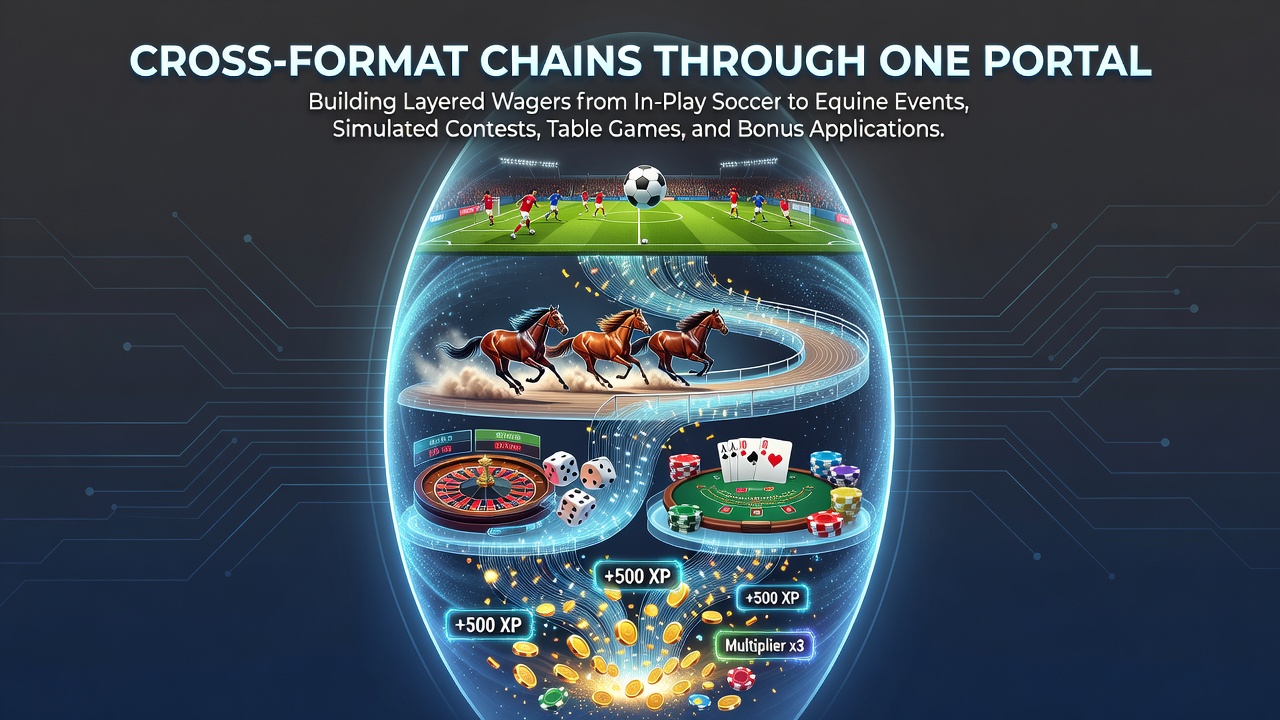
Unified Interfaces Enabling Multi-Format Accumulator Construction Across Live Soccer, Equine Racing, Simulations, Tables, and Incentives
Operators have developed central access points that let users combine selections from in-play soccer, equine events, simulated contests, table games, and bonus applications into single accumulator structures, and data from industry reports shows this approach gained traction through 2026 as platforms refined their systems for August updates.
Core Mechanics of Layered Wagers
Users select outcomes from live soccer markets during matches, then add legs from upcoming horse races while incorporating virtual simulations and table game results, all routed through one login that tracks the combined stake and potential returns, whereas separate accounts once required manual coordination across multiple sites.
Research indicates that such chaining reduces navigation time and allows real-time adjustments when in-play odds shift, yet the structure demands precise timing because each leg must settle according to its own event schedule, and studies from academic sources confirm that participants who manage timing effectively maintain higher completion rates on multi-leg bets.
Integration of In-Play Soccer with Equine Events
Live soccer markets update continuously during matches, so bettors add goals, corners, or player props to an accumulator before switching to equine selections where race start times dictate the next leg placement, and this sequence works because the portal maintains a running total that adjusts automatically when either market resolves.
Figures reveal that August 2026 saw increased activity in this pairing as major European leagues overlapped with summer racing festivals, while data shows users who layered one soccer in-play selection with two horse race outcomes produced longer accumulators than those staying within a single format.
Incorporating Simulated Contests and Table Games
Virtual simulations run on fixed schedules that fill gaps between live events, so participants insert these as middle legs after soccer results post but before equine races begin, and table game outcomes from roulette or blackjack rounds provide quick resolutions that can anchor the final stages of a chain.
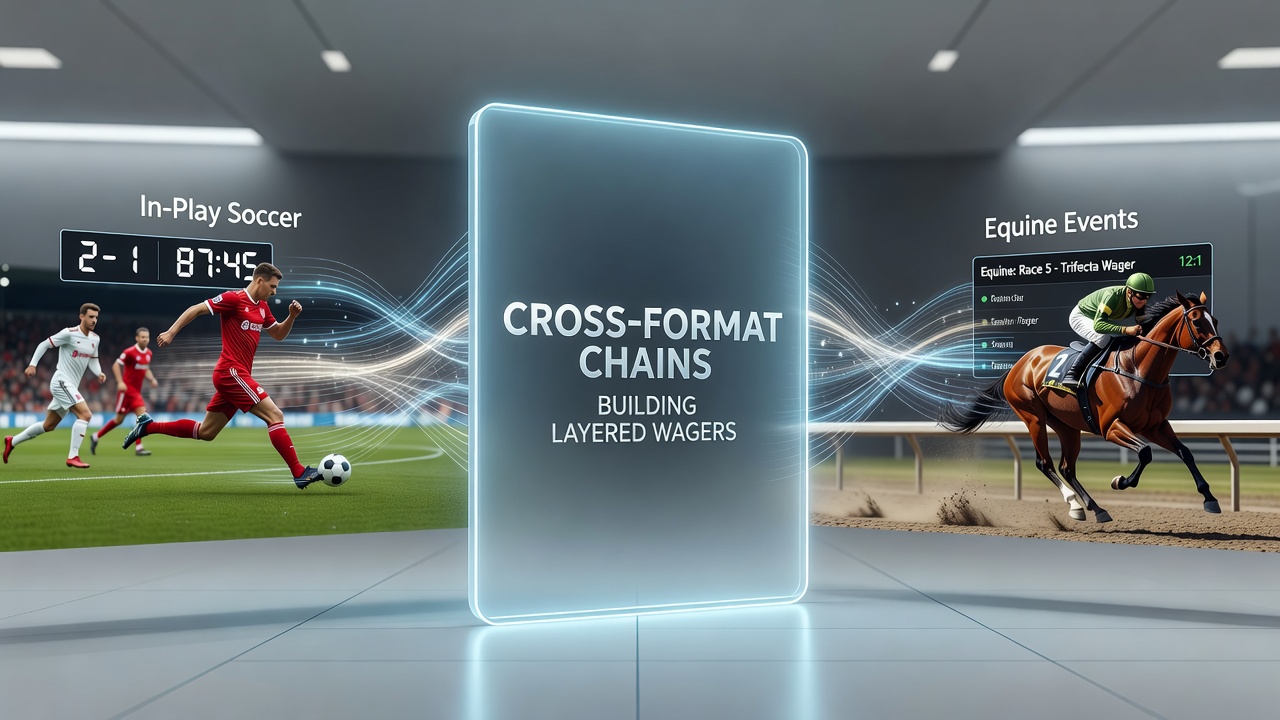
Observers note that portals display these options side by side so a user can move from a virtual sprint result directly into a blackjack hand without leaving the same screen, and this continuity supports the construction of five- or six-leg wagers that draw from four distinct categories.
Role of Bonus Applications in Chain Construction
Bonus credits and free bet tokens apply automatically to the overall stake when the portal detects eligible selections, which means a user can trigger an incentive on the first soccer leg that then carries forward to equine and table selections, according to platform mechanics described in operator documentation.
Evidence suggests that bonus integration increases the total number of legs placed in a single session because the perceived risk per additional selection decreases, and industry analyses from regions outside the UK highlight similar patterns in markets where operators link promotions across formats.
Technical Requirements for Seamless Operation
Single sign-on systems must sync balances, odds feeds, and settlement data across all categories in real time, while backend architecture records each leg separately yet computes the combined payout once every component resolves, and this demands robust API connections that handle simultaneous updates from soccer data providers, racing authorities, and gaming engines.
Those who have examined platform performance note that August 2026 updates focused on reducing latency during peak overlap periods when live soccer and virtual simulations ran concurrently, and this stability supports longer accumulator chains without session interruptions.
Regulatory Context Across Jurisdictions
Health Canada reports on gambling participation show that cross-format products fall under existing remote wagering rules that require clear display of combined odds and settlement timelines, while a study published by the University of Sydney's Gambling Research Unit examines how multi-format accumulators affect session length in Australian markets, and these sources provide comparative data that operators reference when expanding such features.
Platforms therefore maintain separate compliance logs for each format even when presented through one interface, ensuring that soccer in-play rules, equine betting regulations, and table game standards all remain distinct within the shared structure.
Conclusion
Central portals now support accumulator construction that spans in-play soccer, equine events, simulated contests, table games, and bonus applications by maintaining unified tracking and settlement processes, and the patterns observed through August 2026 indicate continued refinement of these systems as operators respond to user demand for integrated options.